Introduction
Retrieval-Augmented Generation (RAG) has rapidly emerged as the enterprise standard for deploying trustworthy generative AI. Yet, while organizations rush to implement RAG architectures, a critical reality is often overlooked: RAG success is not driven by models—it is driven by data platforms.
Modern enterprises operate across fragmented data ecosystems—data lakes, warehouses, SaaS systems, and unstructured repositories. Without a unified, governed, and scalable data foundation, even the most advanced LLMs fail to deliver reliable outcomes. Hallucinations increase, latency rises, and governance risks escalate.
This is where modern data platforms for RAG become indispensable. They enable seamless data ingestion, transformation, indexing, and retrieval—turning raw enterprise data into high-quality, contextual intelligence.
In this blog, we explore why modern data platforms are critical for RAG success, how they reshape enterprise AI architectures, and what leaders must prioritize to build scalable, secure, and high-performance RAG systems.
TL;DR Summary
- Modern data platforms for RAG are foundational for enterprise-grade generative AI
- Poor data infrastructure leads to hallucinations, latency, and governance risks
- Unified platforms enable scalable ingestion, transformation, indexing, and retrieval
- Vector search, governance, and real-time pipelines are non-negotiable
- Enterprises must treat data platforms as strategic assets—not backend systems
The Enterprise Shift: Why RAG Demands Modern Data Platforms
From Static AI Models to Dynamic Knowledge Systems
Traditional AI systems relied on static training datasets. In contrast, RAG introduces a dynamic paradigm—where models retrieve real-time, enterprise-specific knowledge during inference. According to McKinsey & Company, organizations that effectively leverage data-driven AI architectures can improve operational efficiency by up to 20–30%, highlighting the critical role of modern data platforms in enabling scalable RAG systems.
This shift fundamentally changes infrastructure requirements.
Instead of focusing solely on model training, enterprises must now optimize:
- Data freshness
- Retrieval accuracy
- Context relevance
- Governance and lineage
Without modern data platforms, these capabilities remain fragmented and unreliable.
The Cost of Legacy Data Architectures
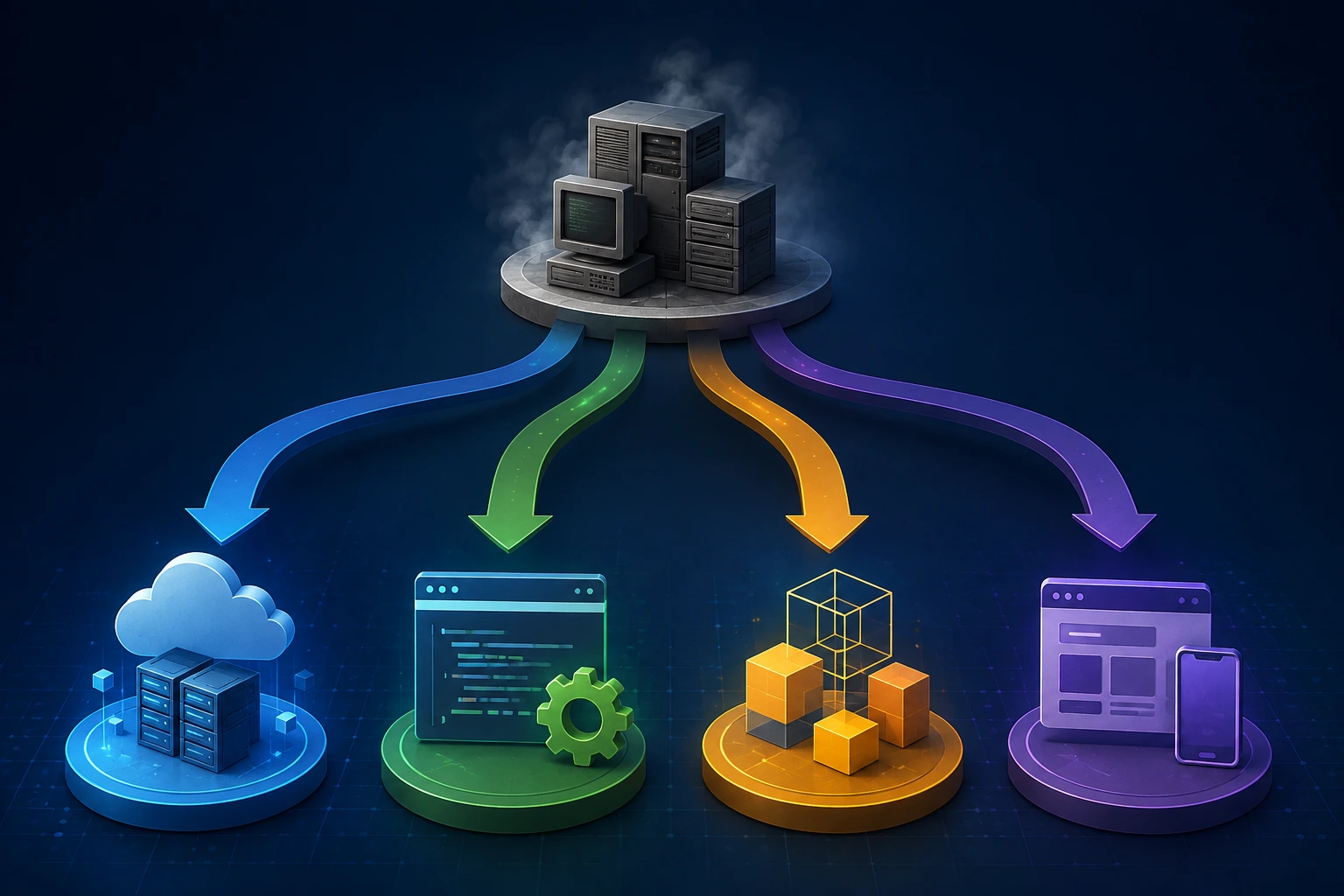
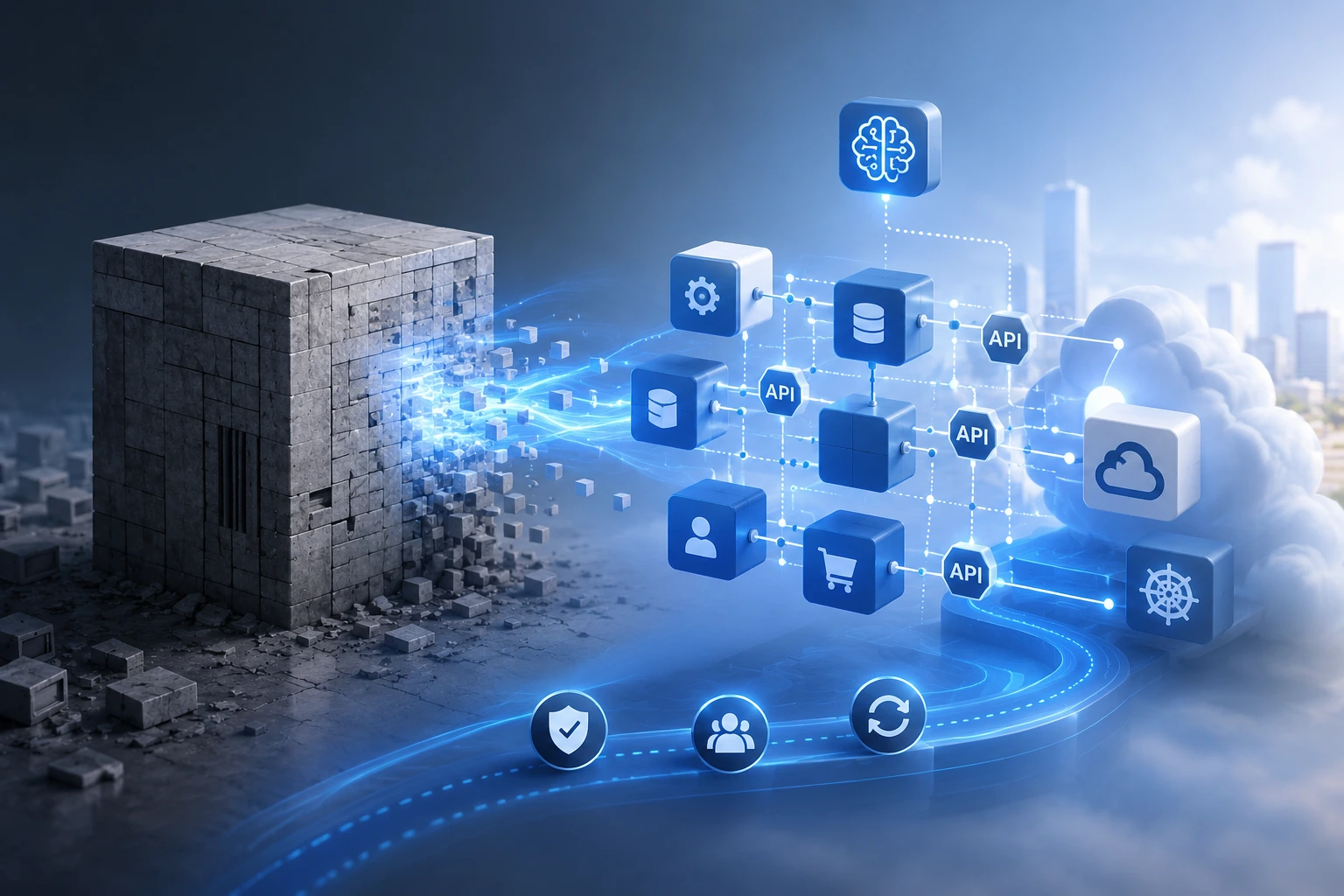
Legacy architectures—built around batch pipelines and siloed storage—fail to support RAG requirements. Key limitations include:
- Slow data pipelines: Inability to deliver real-time context
- Fragmented storage: Disconnected structured and unstructured data
- Limited search capabilities: No semantic or vector-based retrieval
- Weak governance: Lack of lineage and compliance controls
According to industry benchmarks, poor data quality alone costs enterprises millions annually, and in RAG systems, it directly translates into incorrect AI outputs.
Strategic Insight for CTOs
RAG is not an AI problem—it is a data platform problem.
Enterprises that treat RAG as a model-layer initiative often fail. Those that invest in modern data platforms unlock:
- Faster time-to-value
- Higher trust in AI outputs
- Scalable AI adoption across business units
For deeper insights into enterprise AI strategy alignment, refer to: Enterprise AI Strategy in 2026
What Defines a Modern Data Platform for RAG
Core Components of Modern Data Platforms
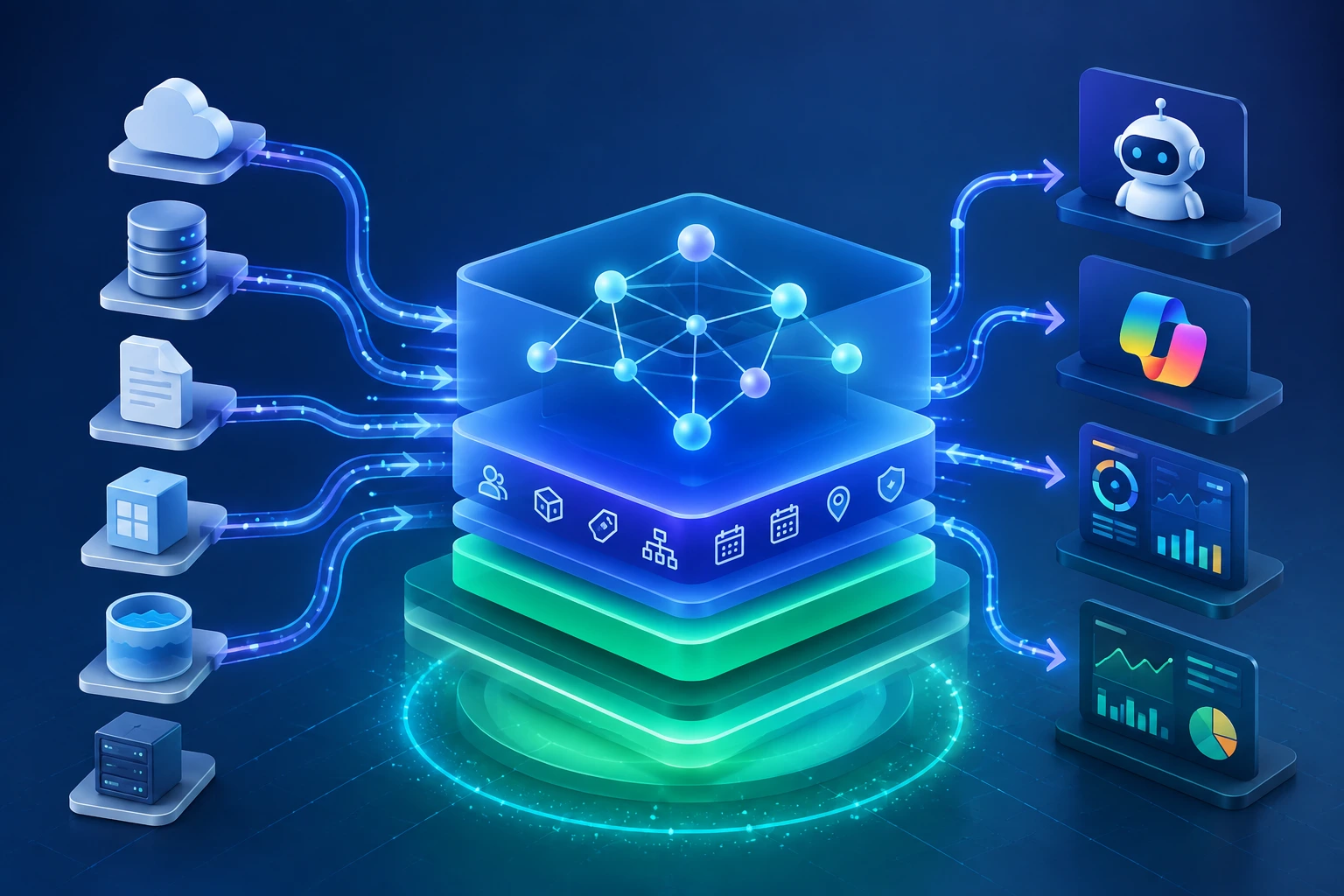
A modern data platform for RAG is not a single tool—it is an integrated ecosystem designed to support the full lifecycle of data-driven AI.
Key Components Include:
- Unified Data Lakehouse: Combines structured and unstructured data
- Real-Time Data Pipelines: Enables continuous ingestion and updates
- Vector Databases: Supports semantic search and embeddings
- Metadata & Governance Layer: Ensures compliance and traceability
- AI Integration Layer: Connects data with LLMs and applications
Architecture Overview
Conceptual Flow:
- Data ingestion from multiple enterprise sources
- Transformation and enrichment pipelines
- Embedding generation and indexing
- Storage in vector + analytical layers
- Retrieval during inference
- Context injection into LLM responses
This architecture ensures that AI outputs are grounded in enterprise truth.
Why Traditional Data Warehouses Fall Short
Data warehouses were designed for analytics—not AI retrieval.
They lack:
- Native support for unstructured data
- Semantic search capabilities
- Real-time ingestion pipelines
- Integration with vector embeddings
Modern platforms—such as data fabrics and lakehouses—address these limitations.
For a deeper dive into RAG models and enterprise patterns: RAG Models enterprise guide
The Role of Data Quality in RAG Success
Garbage In, Hallucination Out
In RAG systems, data quality directly impacts output reliability.
Poor-quality data leads to:
- Incorrect retrieval results
- Irrelevant context injection
- Increased hallucinations
Unlike traditional analytics, where errors may go unnoticed, RAG systems expose data flaws immediately through AI responses.
Key Data Quality Dimensions for RAG
Enterprises must focus on:
- Accuracy: Correctness of data
- Completeness: Availability of required context
- Consistency: Uniformity across systems
- Timeliness: Up-to-date information
- Relevance: Contextually meaningful data
Enterprise Implications
High-performing RAG systems require:
- Automated data quality checks
- Continuous monitoring pipelines
- Data observability frameworks
Without these, scaling RAG becomes risky and unsustainable.
For more insights on foundational AI architectures, refer to: RAG architectures Enterprise Use Cases in 2026.
Also supported by internal research on RAG systems and AI data readiness
Vector Search and Retrieval: The Heart of RAG
Why Vector Databases Are Non-Negotiable
At the core of RAG lies semantic retrieval.
Traditional keyword-based search fails because:
- It cannot understand context
- It misses semantic similarity
- It struggles with unstructured data
Vector databases solve this by enabling:
- Embedding-based similarity search
- Context-aware retrieval
- Scalable indexing of large datasets
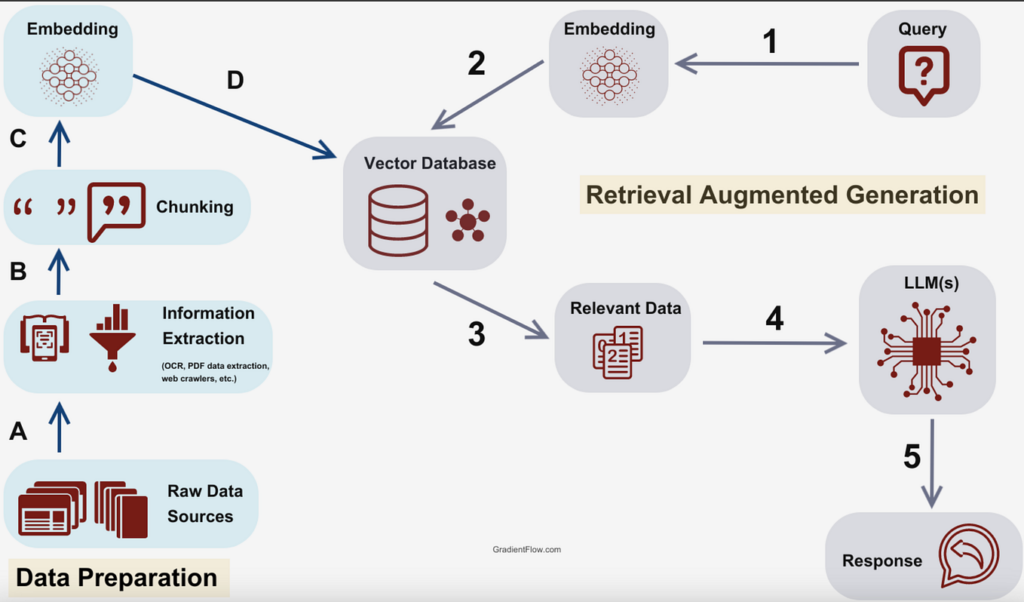
How Modern Data Platforms Enable Vector Search
Modern data platforms integrate:
- Embedding pipelines
- Vector storage engines
- Hybrid search (keyword + semantic)
This ensures high recall and precision during retrieval.
Performance Considerations
Enterprises must optimize for:
- Low-latency retrieval
- High-dimensional vector indexing
- Scalable storage
Failure to optimize retrieval directly impacts user experience and AI reliability.
Executive Insight
Vector search is not just a technical component—it is a strategic differentiator.
Organizations with advanced retrieval capabilities outperform competitors in:
- Customer experience
- Decision intelligence
- Knowledge accessibility
For more on building scalable data foundations that support AI, explore: Data Quality For AI in 2026 Enterprise Guide
Real-Time Data Pipelines: Enabling Context-Aware AI
The Need for Fresh Data in RAG
RAG systems rely on current, contextual data.
Batch pipelines introduce delays that result in:
- Outdated responses
- Reduced trust in AI
- Poor decision-making
Modern Data Platform Capabilities
Modern platforms enable:
- Streaming ingestion
- Event-driven architectures
- Near real-time transformations
This ensures that AI systems always operate on the latest data.
Business Impact
Real-time data pipelines enable:
- Dynamic customer interactions
- Up-to-date financial insights
- Responsive operational intelligence
Strategic Takeaway
Enterprises must move from batch-first to real-time-first architectures to unlock full RAG potential.
Read a deep, enterprise-grade comparison RAG vs Knowledge Graphs: Which Delivers Better Performance for Enterprise AI in 2026?
Architecture Blueprint: Building Modern Data Platforms for RAG Success
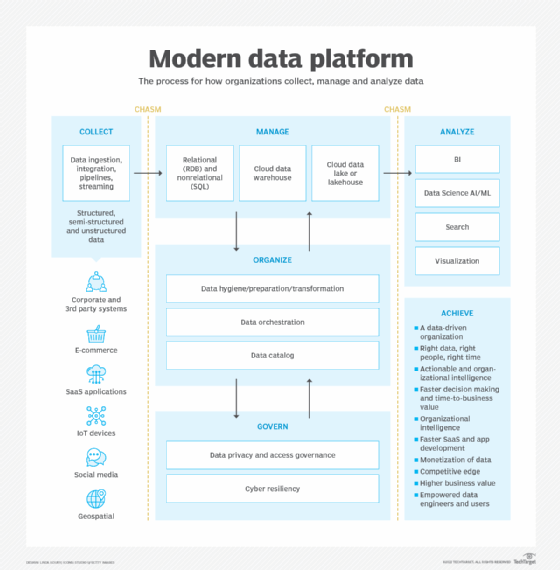
A robust modern data platform for RAG must orchestrate multiple layers seamlessly. Below is a conceptual architecture widely adopted in enterprise deployments:
Architecture Layers:
- Data Sources Layer
ERP systems, CRM platforms, documents, APIs, IoT streams
- Ingestion Layer
Batch + streaming pipelines (Kafka, Event Hubs, APIs)
- Processing & Transformation Layer
Data cleaning, enrichment, normalization
- Storage Layer (Lakehouse + Vector DB)
Structured + unstructured + embeddings
- Indexing & Retrieval Layer
Vector indexing, hybrid search, ranking
- AI Orchestration Layer
Prompt engineering, context injection, LLM interaction
- Governance & Security Layer
Metadata, lineage, access control, compliance
Strategic Insight
The most successful enterprises design data platforms as AI-first systems, not analytics extensions.
Read our guide on 10 Effective Steps To Building RAG Applications: From Prototype to Production-Grade Enterprise Systems that provides a step-by-step enterprise roadmap for building RAG applications.
Comparison: Legacy vs Modern Data Platforms for RAG
Why Legacy Systems Fail RAG Workloads
| Capability | Legacy Data Platforms | Modern Data Platforms for RAG |
| Data Types | Structured only | Structured + unstructured |
| Processing | Batch | Real-time + batch |
| Search | Keyword-based | Semantic + vector |
| Scalability | Limited | Cloud-native elastic |
| Governance | Fragmented | Unified and automated |
| AI Integration | Minimal | Native |
Executive Interpretation
Legacy platforms were designed for reporting and BI, not AI reasoning systems.
Modern data platforms enable:
- Context-aware intelligence
- Real-time decisioning
- Cross-domain knowledge retrieval
Choosing the Right Platform Strategy
Enterprise Decision Framework
Choose Legacy Modernization If:
- You have heavy sunk costs in warehouses
- AI use cases are limited
Choose Modern Data Platforms If:
- You are scaling generative AI
- You require real-time intelligence
- You need unified governance
Strategic Takeaway
RAG success is directly proportional to platform maturity.
Read our blog that breaks down 10 critical RAG architectures shaping 2026, their trade-offs, and the enterprise use cases they unlock.
Governance and Security: The Hidden Backbone of RAG
Why Governance Becomes Critical in RAG
RAG systems expose enterprise data dynamically. Without governance:
- Sensitive data leaks into responses
- Compliance violations increase
- Trust in AI declines
Core Governance Capabilities Required
Modern data platforms must enable:
- Data lineage tracking
- Role-based access control (RBAC)
- Data classification and tagging
- Policy enforcement
Enterprise Risks Without Governance
- Regulatory penalties (GDPR, HIPAA)
- Brand damage from incorrect AI outputs
- Security breaches
Strategic Insight
Governance is not a constraint—it is an AI enabler.
Organizations with strong governance frameworks scale AI faster and safer.
For governance strategies: Data Governance for data quality
Implementation Roadmap: Building Modern Data Platforms for RAG
Phase 1: Data Foundation
- Consolidate data sources
- Build unified lakehouse architecture
- Establish governance baseline
Phase 2: AI Readiness
- Implement data quality frameworks
- Enable metadata management
- Prepare datasets for embeddings
Phase 3: RAG Enablement
- Deploy vector databases
- Build retrieval pipelines
- Integrate with LLMs
Phase 4: Scale & Optimize
- Introduce real-time pipelines
- Optimize retrieval latency
- Monitor performance
Strategic Insight
Enterprises that follow phased adoption reduce:
- Implementation risk
- Cost overruns
- Technical debt
Check if your enterprise is mature to adopt AI models with our AI readiness checklist.
Benefits, Trade-offs, and Enterprise Realities
Key Benefits
- Improved AI accuracy
- Reduced hallucinations
- Faster decision-making
- Scalable AI deployment
Trade-offs to Consider
- Initial investment in platform modernization
- Organizational change management
- Skill gaps in data + AI engineering
Enterprise Reality Check
Many RAG failures are not due to models—but due to:
- Poor data pipelines
- Lack of governance
- Fragmented platforms
Strategic Insight
Modern data platforms are long-term strategic investments, not short-term fixes.
How Techment Helps Enterprises
Turning Data Platforms into AI-Ready Ecosystems
Techment enables enterprises to design and implement modern data platforms for RAG success by combining deep expertise in:
- Data modernization
- AI platform engineering
- Governance and compliance
- Cloud-native architectures
End-to-End Capabilities
Strategy → Implementation → Optimization
- Data platform assessment and roadmap
- Lakehouse and data fabric implementation
- RAG architecture design and deployment
- Data quality and governance frameworks
- AI integration and scaling
Platform Expertise
Techment specializes in:
- Microsoft Fabric
- Azure AI ecosystem
- Modern data engineering frameworks
Strategic Value
Techment positions data platforms not as infrastructure—but as:
Enterprise intelligence engines
For deeper insights into AI-powered platforms:
https://www.techment.com/blogs/microsoft-fabric-ai-solutions-enterprise-intelligence/
Conclusion
RAG represents a fundamental shift in how enterprises leverage AI—but its success is deeply rooted in data infrastructure.
Modern data platforms for RAG are not optional—they are mission-critical. They enable enterprises to move from fragmented data ecosystems to unified, intelligent systems capable of powering scalable AI.
Organizations that invest in modern platforms will lead in:
- AI innovation
- Decision intelligence
- Competitive advantage
Those that don’t risk falling behind in an increasingly AI-driven world.
As enterprises navigate this transformation, partnering with experienced data and AI leaders like Techment ensures not just implementation—but sustained success.
FAQ Section
1. What is a modern data platform for RAG?
A unified, scalable system that enables data ingestion, transformation, storage, and retrieval optimized for AI-driven applications.
2. Why can’t traditional data warehouses support RAG?
They lack real-time processing, semantic search, and unstructured data handling required for RAG systems.
3. How important is data quality in RAG?
Critical. Poor data quality directly leads to hallucinations and unreliable AI outputs.
4. What role do vector databases play?
They enable semantic search and context retrieval, which are essential for RAG performance.
5. How long does it take to implement RAG-ready platforms?
Typically 6–18 months depending on enterprise scale and data complexity.