
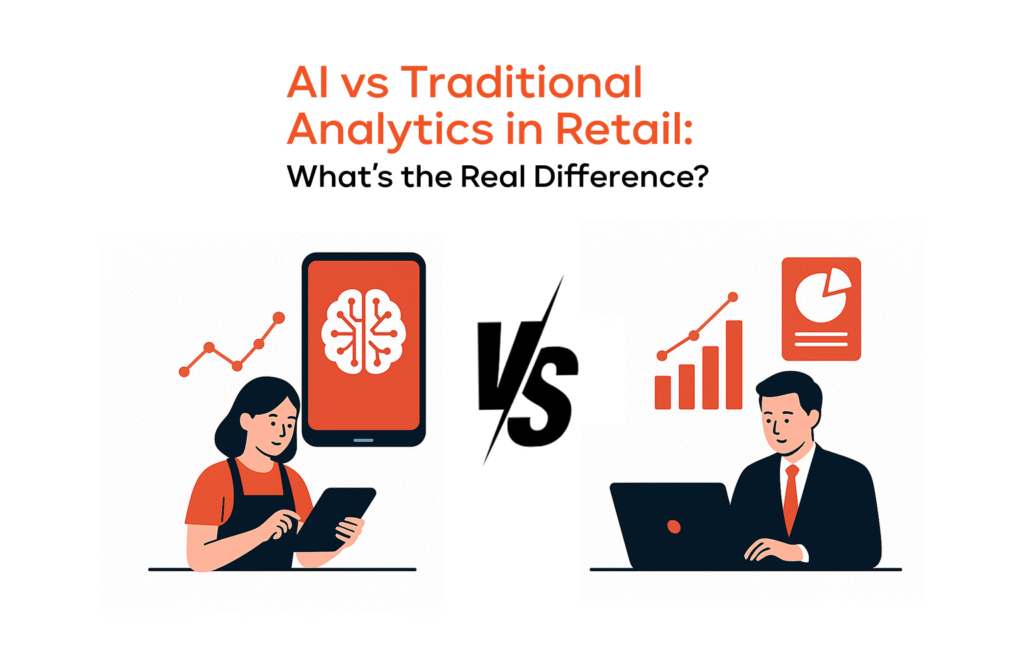
Introduction
Enterprise leaders no longer struggle with a lack of customer data. The real challenge is understanding customer intent in real time.
For nearly two decades, traditional web analytics platforms have helped organizations measure digital performance through page views, bounce rates, sessions, and conversion funnels. While these metrics remain foundational, they increasingly fail to explain the motivations behind customer behavior.
This is where conversational analytics is reshaping enterprise intelligence strategies.
The debate around conversational analytics vs traditional web analytics is not about replacement. It is about evolution. Enterprises are shifting from passive behavioral measurement toward active intent understanding powered by AI, natural language processing (NLP), and conversational interfaces.
As customer interactions move across chatbots, voice assistants, AI copilots, messaging platforms, and conversational search, businesses need analytics systems capable of interpreting sentiment, intent, friction, and decision patterns—not just clicks.
This blog explores the strategic differences between conversational analytics and traditional web analytics, including architecture, enterprise applications, operational trade-offs, AI readiness, governance implications, and future analytics trends shaping digital enterprises in 2026.
TL;DR
- Traditional web analytics explains what users do on digital properties.
- Conversational analytics explains why users behave the way they do.
- Enterprises increasingly combine both approaches to create unified customer intelligence systems.
- Conversational analytics enables intent detection, sentiment analysis, and AI-driven personalization.
- Traditional analytics remains critical for traffic attribution, funnel optimization, and digital performance measurement.
- In 2026, competitive enterprises are integrating conversational AI, customer data platforms, and analytics modernization into one strategy.
Why the Analytics Landscape Is Rapidly Changing
Traditional analytics systems were designed for a web-first era.
Their architecture focused on page navigation patterns, clickstream analysis, referral sources, campaign attribution, and funnel performance. For years, this model worked effectively because digital journeys were structured and predictable.
That environment no longer exists.
The Evolution of Enterprise Analytics
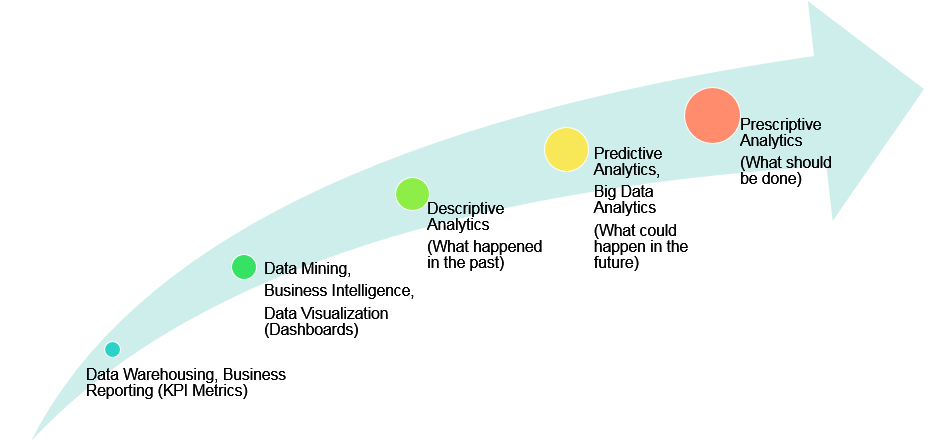
Modern customer experiences are increasingly conversational. Users interact through:
- AI chat assistants
- Voice interfaces
- Customer support bots
- Conversational commerce
- Generative AI copilots
- Intelligent search experiences
- Messaging applications
As a result, enterprises now generate massive volumes of unstructured conversational data that conventional analytics platforms cannot fully interpret.
According to McKinsey & Company, organizations implementing AI-powered customer engagement systems are seeing measurable improvements in customer satisfaction, personalization, and operational efficiency.
Similarly, Gartner predicts conversational AI will become a primary customer interaction channel for many enterprises by the end of the decade.
This shift fundamentally changes analytics priorities.
Traditional analytics answers questions such as:
- Which page performed best?
- Where did users drop off?
- Which campaign drove traffic?
- What was the conversion rate?
Conversational analytics answers entirely different questions:
- What was the customer trying to achieve?
- What emotions were expressed?
- Why did the interaction fail?
- Which intents correlate with conversion?
- What unresolved issues drive churn?
This transition reflects a broader enterprise movement toward intelligent customer understanding.
Organizations modernizing their data ecosystems are increasingly integrating conversational intelligence into broader AI and analytics strategies, similar to the approaches discussed in Enterprise AI Strategy in 2026.
What Is Traditional Web Analytics?
Understanding the Foundation of Digital Measurement
Traditional web analytics refers to systems that track and analyze user interactions across websites and digital applications.
Platforms such as Google Analytics, Adobe Analytics, and enterprise digital analytics suites primarily focus on structured behavioral metrics.
Core measurements include:
- Sessions
- Users
- Bounce rates
- Traffic sources
- Page views
- Time on site
- Funnel progression
- Conversion rates
- Click paths
These systems operate by collecting event-based interaction data through browser cookies, tracking scripts, tags, and event instrumentation.
For enterprise organizations, traditional analytics remains essential for:
- Marketing attribution
- Campaign optimization
- E-commerce analytics
- Conversion rate optimization
- UX performance analysis
- Digital performance reporting
Strengths of Traditional Web Analytics
Traditional web analytics excels in quantifiable measurement.
It provides highly structured insights that help organizations optimize measurable digital performance indicators.
Key strengths include:
Scalable traffic analysis
Traditional analytics platforms process millions of sessions efficiently.
Conversion funnel visibility
Businesses can identify where users abandon purchasing or onboarding journeys.
Marketing attribution modeling
Organizations gain visibility into ROI across channels and campaigns.
Historical benchmarking
Longitudinal data supports forecasting and strategic planning.
Operational maturity
Traditional analytics platforms benefit from decades of ecosystem maturity and enterprise adoption.
Limitations of Traditional Analytics
Despite its strengths, traditional analytics has critical limitations in modern customer environments.
It struggles to interpret unstructured interactions and customer intent.
For example:
A bounce rate can show that users left a page quickly.
It cannot explain why they left.
Similarly:
- A funnel drop-off reveals friction
- But not customer frustration
- Or unmet expectations
- Or unresolved intent
Traditional analytics primarily measures observable behavior—not conversational meaning.
This challenge becomes even more significant as enterprises adopt AI-driven customer engagement ecosystems and omnichannel digital experiences.
Organizations modernizing legacy analytics infrastructures are increasingly exploring integrated data strategies similar to those outlined in: Leveraging Data Transformation for Modern Analytics
What Is Conversational Analytics?
Moving Beyond Clickstream Intelligence
Conversational analytics refers to the analysis of customer interactions across voice, chat, messaging, virtual assistants, AI copilots, and conversational interfaces.
Unlike traditional web analytics, conversational analytics focuses on extracting meaning from natural language interactions.
It combines technologies such as:
- Natural Language Processing (NLP)
- Sentiment analysis
- Intent detection
- Speech analytics
- Generative AI
- Machine learning
- Conversational intelligence models
The objective is not merely to measure engagement, but to understand human intent, context, emotion, and outcomes.
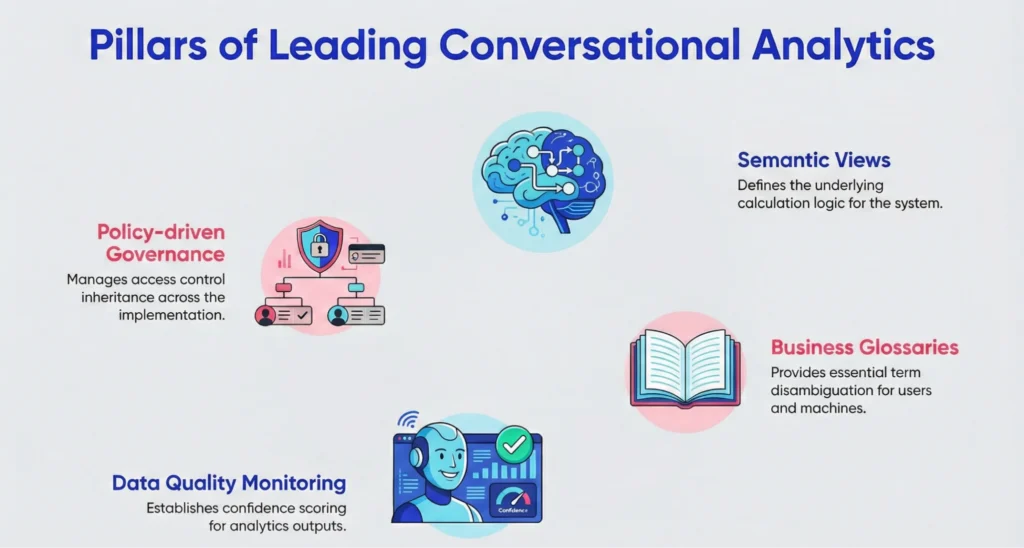
What Conversational Analytics Measures
Conversational analytics platforms analyze metrics including:
- Intent recognition
- Sentiment scores
- Resolution rates
- Escalation triggers
- Conversational friction
- Emotional indicators
- Customer satisfaction patterns
- Conversation abandonment
- AI response quality
- Agent performance
This enables enterprises to uncover insights hidden within unstructured customer interactions.
For example:
Instead of knowing that a customer exited a support flow, conversational analytics can identify:
- frustration about pricing
- confusion around onboarding
- dissatisfaction with service quality
- failed AI responses
- unmet product expectations
Why Enterprises Are Prioritizing Conversational Analytics
The rise of generative AI is accelerating conversational interfaces across industries.
Customers increasingly expect:
- real-time assistance
- voice-first experiences
- AI-powered support
- personalized interactions
- conversational commerce
As these experiences expand, conversational data becomes a critical enterprise intelligence asset.
According to Accenture, organizations using AI-driven conversational systems can significantly improve customer engagement while reducing service costs.
Conversational analytics also supports enterprise goals around:
- customer experience optimization
- AI governance
- intelligent automation
- predictive engagement
- operational efficiency
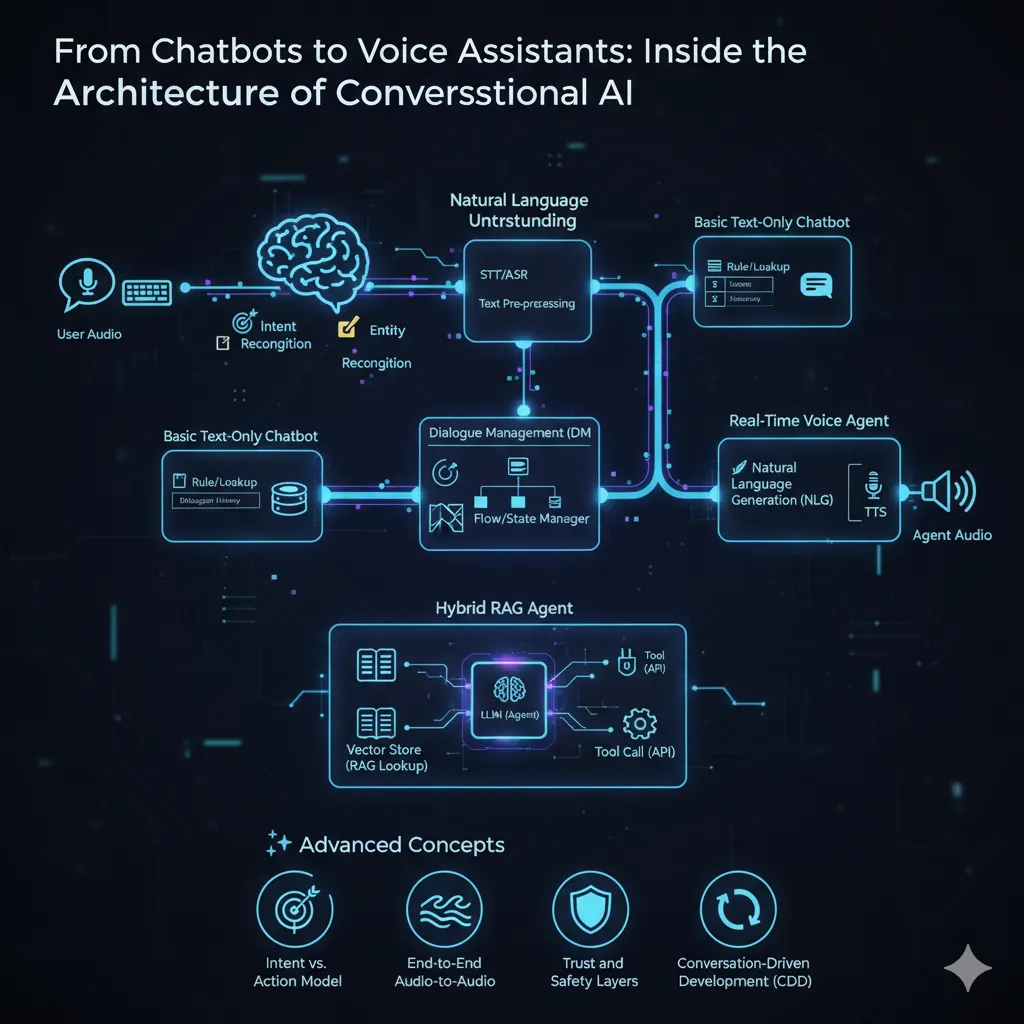
This shift aligns closely with broader enterprise AI readiness initiatives such as: Fabric AI Readiness: How to Prepare Your Data for Scalable AI Adoption
11 Critical Differences – Conversational Analytics vs Traditional Web Analytics
1. Behavioral Data vs Intent Data
Traditional web analytics measures observable digital behavior.
Conversational analytics measures customer intent.
This distinction fundamentally changes the quality of enterprise insights.
Traditional systems show what happened.
Conversational systems explain why it happened.
2. Structured Data vs Unstructured Data
Web analytics relies heavily on structured event data.
Conversational analytics processes unstructured language data including:
- voice conversations
- chatbot interactions
- AI assistant sessions
- customer support transcripts
This requires significantly more advanced AI and NLP capabilities.
3. Funnel Tracking vs Journey Understanding
Traditional analytics emphasizes conversion funnels.
Conversational analytics focuses on contextual journeys.
It identifies emotional patterns, conversational blockers, and unresolved intents across interactions.
4. Historical Reporting vs Real-Time Intelligence
Most traditional analytics platforms prioritize historical dashboards.
Conversational analytics increasingly supports:
- real-time intervention
- live sentiment detection
- AI escalation triggers
- dynamic personalization
5. Quantitative Metrics vs Qualitative Insights
Traditional systems excel at quantitative measurement.
Conversational analytics provides qualitative understanding at scale.
This is particularly valuable for:
- CX transformation
- support optimization
- AI copilots
- customer retention strategies
6. Clickstream Visibility vs Emotional Intelligence
Traditional analytics lacks emotional context.
Conversational analytics can identify:
- frustration
- satisfaction
- urgency
- confusion
- churn risk
This creates stronger customer intelligence models.
7. Campaign Optimization vs Interaction Optimization
Traditional analytics supports marketing performance optimization.
Conversational analytics improves interaction quality and customer engagement outcomes.
8. Static Dashboards vs Adaptive AI Systems
Traditional analytics dashboards are largely retrospective.
Conversational systems increasingly leverage AI-driven adaptive intelligence for proactive engagement.
9. Channel-Centric Analytics vs Omnichannel Intelligence
Web analytics often remains website-focused.
Conversational analytics spans:
- voice
- chat
- messaging
- mobile apps
- contact centers
- AI assistants
10. Human Interpretation vs AI-Assisted Intelligence
Traditional dashboards require manual interpretation.
Conversational analytics increasingly automates insight discovery through AI models.
11. Digital Optimization vs Enterprise Intelligence
Traditional analytics optimizes digital assets.
Conversational analytics contributes to enterprise-wide customer intelligence strategies.
Conversational Analytics vs Traditional Web Analytics: Enterprise Intelligence Evolution
| Capability | Traditional Web Analytics | Conversational Analytics |
|---|---|---|
| Tracks Page Views | Yes | Limited |
| Measures Intent | No | Yes |
| Sentiment Analysis | No | Yes |
| Conversion Funnels | Yes | Partial |
| Voice Analytics | No | Yes |
| NLP Processing | No | Yes |
| Historical Reporting | Strong | Strong |
| Real-Time AI Insights | Limited | Advanced |
| Behavioral Tracking | Excellent | Moderate |
| Customer Context | Limited | High |
Enterprise Use Cases for Conversational Analytics
Customer Support Optimization
Conversational analytics helps enterprises analyze support interactions at scale.
Organizations can identify:
- recurring complaints
- escalation drivers
- unresolved intents
- service bottlenecks
This enables more intelligent support operations.
AI Copilot Performance Monitoring
As enterprises deploy AI copilots, conversational analytics becomes essential for:
- hallucination monitoring
- intent accuracy
- resolution effectiveness
- AI governance
Voice of Customer Programs
Conversational intelligence dramatically improves VoC initiatives by analyzing direct customer language rather than survey summaries alone.
Sales and Revenue Intelligence
Sales organizations increasingly use conversational analytics to identify:
- buying signals
- objection trends
- competitive mentions
- churn indicators
Conversational Commerc
Retail and e-commerce organizations leverage conversational analytics for:
- product recommendations
- AI shopping assistants
- conversational search optimization
Risks and Trade-Offs Enterprises Must Consider
Data Privacy and Governance
Conversational analytics introduces sensitive data governance challenges.
Voice recordings, transcripts, and AI interactions often contain personally identifiable information (PII).
Organizations require:
- governance frameworks
- retention policies
- AI compliance controls
- secure data architectures
Relevant governance strategies are explored in Data Governance for Data Quality: Future-Proofing Enterprise Data
AI Bias and Accuracy Risks
Conversational AI models can misinterpret sentiment, accents, context, or intent.
Enterprises must continuously validate:
- NLP model quality
- language accuracy
- AI fairness
- hallucination risks
Integration Complexity
Many organizations struggle to integrate conversational data into existing analytics ecosystems.
This often requires:
- data lake modernization
- unified customer data platforms
- real-time streaming architectures
- AI-ready infrastructure
Why the Future Is Hybrid Analytics
The future is not conversational analytics or traditional web analytics.
It is hybrid intelligence.
Leading enterprises increasingly combine both approaches into unified analytics ecosystems.
Traditional analytics remains essential for:
- attribution
- traffic measurement
- conversion optimization
- campaign analysis
Conversational analytics enhances:
- customer understanding
- AI optimization
- experience intelligence
- predictive engagement
Together, they create a more complete customer intelligence framework.
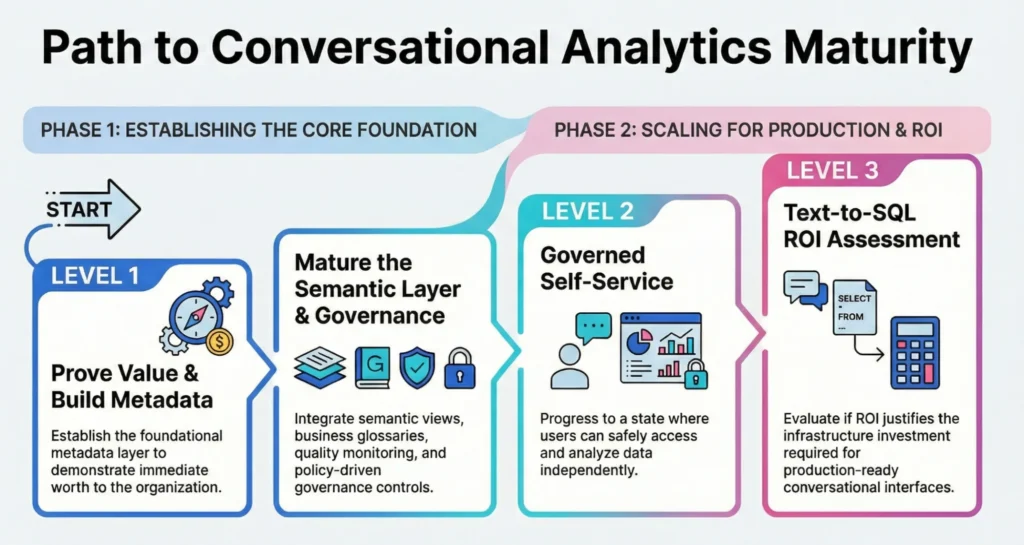
This convergence is accelerating alongside modern data platforms such as: Microsoft Fabric AI Solutions for Enterprise Intelligence
How Techment Helps Enterprises Modernize Analytics Strategies
Enterprises adopting conversational analytics often discover that success depends less on tools and more on data architecture, governance, AI readiness, and operational alignment.
Techment helps organizations modernize analytics ecosystems through:
- conversational AI implementation
- AI-ready data modernization
- Microsoft Fabric architecture
- enterprise analytics transformation
- customer intelligence strategy
- AI governance frameworks
- real-time analytics engineering
- unified data platforms
Techment also supports organizations in integrating conversational AI systems with enterprise data foundations to enable scalable, secure, and governed analytics ecosystems.
Organizations exploring enterprise AI modernization strategies can also review:
- What a Microsoft Data and AI Partner Brings to Your Data Strategy
- Microsoft Azure for Enterprises: Cloud, AI & Modernization
Reference materials and internal Techment knowledge sources were also reviewed for this blog structure and topic alignment.
Conclusion
The discussion around conversational analytics vs traditional web analytics reflects a much larger transformation in enterprise intelligence.
Traditional web analytics remains critical for understanding traffic patterns, funnel performance, and digital optimization. However, it increasingly lacks the contextual intelligence required in AI-driven customer environments.
Conversational analytics fills that gap by helping enterprises understand customer intent, emotion, and interaction quality at scale.
In 2026, organizations that integrate conversational intelligence with modern analytics platforms will gain deeper customer visibility, stronger personalization capabilities, and more adaptive AI-driven engagement strategies.
The future of enterprise analytics is not simply measuring clicks.
It is understanding conversations.
For enterprises modernizing analytics ecosystems, Techment continues to help organizations align AI, data modernization, governance, and conversational intelligence into scalable enterprise strategies.
FAQs
1. Is conversational analytics replacing traditional web analytics?
No. Most enterprises use both together. Traditional analytics tracks behavior, while conversational analytics explains intent and sentiment.
2. Which industries benefit most from conversational analytics?
Industries with high customer interaction volumes benefit significantly, including retail, banking, healthcare, telecom, insurance, and SaaS.
3. Does conversational analytics require AI infrastructure?
Yes. Effective conversational analytics relies on NLP models, AI pipelines, speech processing, and scalable data architectures.
4. Can conversational analytics improve customer retention?
Yes. It helps identify dissatisfaction patterns, churn indicators, unresolved support issues, and customer frustration earlier.
5. What are the biggest implementation challenges?
The most common challenges include:
data integration
governance complexity
AI accuracy
privacy compliance
cross-channel data unification