Introduction: Why Data Transformation Matters More Than Ever
By 2025, IDC forecasts global data creation will reach 181 zettabytes, driven by explosive growth in IoT telemetry, real-time mobility data, digital commerce, cybersecurity telemetry, and AI-generated content. Yet despite this data abundance, only 30% of enterprise data is actually used for analytics, according to IDC’s Enterprise Data Readiness Report (2024). The gap emerges not because organizations lack data — but because they lack the ability to transform it into insights at scale.
Enterprise leaders increasingly acknowledge this reality: AI is only as powerful as the data behind it. And that data must be trustworthy, unified, enriched, structured, governed, and contextualized — all outcomes of a mature data transformation analytics capability. Without transformation, AI models hallucinate, dashboards mislead, and operational intelligence decays.
Traditional ETL pipelines, built for structured data and batch processing, cannot keep pace with today’s data ecosystem characterized by:
- Real-time events
- Multimodal data formats
- Distributed cloud systems
- IoT and edge devices
- Increased regulatory pressure
- AI/ML workloads requiring clean training datasets
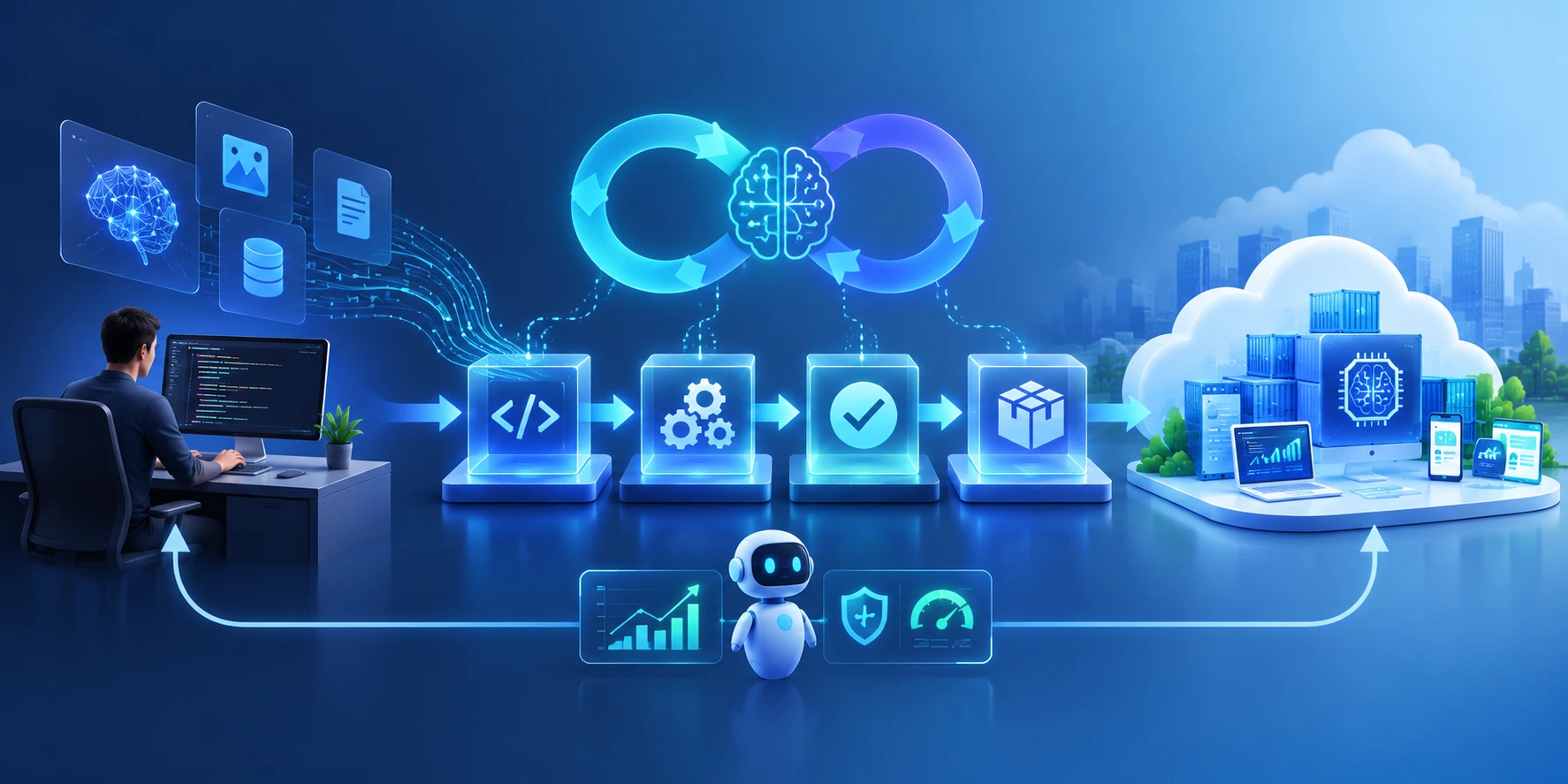
As organizations accelerate digital modernization, transformation becomes the glue that connects data ingestion → enrichment → governance → analytics → AI in a seamless lifecycle.
Modern data transformation analytics enables organizations to:
- Move from batch → real-time
- Convert unstructured → structured semantic layers
- Turn raw data → AI-ready datasets
- Enhance governance with lineage, quality, metadata tracking
- Automate identity resolution, entity matching & classification
- Prepare data for predictive & generative AI
- Support self-service analytics with trustworthy datasets
In short, transformation is no longer a backend data engineering task — it is a strategic business capability essential to competitive advantage.
See how our Data Transformation Solutions ensure your data becomes the foundation for advanced analytics, machine learning, and intelligent automation.
TL;DR (Executive Summary)
- As enterprises generate massive multi-format data at unprecedented speeds, data transformation analytics has become foundational for modern BI, AI, and decision intelligence.
- Traditional ETL approaches can’t handle today’s real-time, high-variety pipelines. Modern data transformation emphasizes automation, metadata-driven workflows, observability, and AI-augmented processing.
- Effective transformation unlocks use cases across predictive analytics, generative AI, self-service BI, operational intelligence, and enterprise automation.
- This guide outlines the evolution of data transformation, modern frameworks, architectures, patterns, tools, and enterprise best practices.
- Techment’s expertise in Fabric, Azure, data engineering, and AI makes it a powerful strategic partner for data-driven enterprises modernizing their analytics landscape.
Traditional Approaches to Data Transformation — Strengths, Gaps & Modern Limitations
Before the era of cloud analytics and distributed AI, data transformation was synonymous with ETL (Extract → Transform → Load). Data was pulled from transactional systems, cleaned, joined, aggregated, and loaded into a data warehouse like Teradata, Oracle, or SQL Server — primarily for historical reporting.
Strengths of Traditional ETL Pipelines
- Highly optimized for structured datasets
- Centralized governance policies
- Predictable workloads and schema stability
- Robust SQL transformations & data modeling
- Strong batch-processing performance
These systems supported enterprise reporting needs for decades.
But Modern Data Needs Have Evolved
Today’s enterprises operate in a world of:
- Streaming data from sensors, apps & events
- Semi-structured formats (JSON, logs, IoT)
- Unstructured data (documents, images, audio, video)
- High-volume ML training pipelines
- Distributed architectures (multi-cloud, microservices)
Traditional ETL frameworks struggle because they were not built for:
- Sub-second processing
- Auto-scaling cloud workloads
- Graph or vector embeddings
- AI/ML data prep cycles
- Real-time observability
- Automation & orchestration
- Data mesh or domain-driven ownership
- Multi-modal data fusion
Key Limitations of Legacy Transformation Approaches
- Latency: Batch-only systems cannot support real-time analytics.
- Scalability: Scaling vertically (bigger servers) is costly and slow.
- Complexity: Pipelines become brittle as data sources explode.
- High Maintenance: Manual coding and script-heavy pipelines.
- Limited AI/ML Support: Requires external tools and data duplication.
- Rigid Architecture: Hard to adapt to schema drift or evolving business logic.
- Siloed Workflows: Business users depend heavily on engineering teams.
These challenges push enterprises toward cloud-native, metadata-driven, automated data transformation platforms that integrate with modern analytics, BI, and AI.
Learn how we modernize your technology stack, integrate AI into enterprise systems, and migrate legacy applications to AI-enabled architectures with our AI-modernization services.
Modern Data Transformation for Analytics: What It Really Means in 2026
Modern data transformation is no longer just about cleaning and structuring data — it is about making data analytics-ready, AI-ready, and decision-ready across distributed architectures and high-volume environments.
Key Characteristics of Modern Data Transformation
1. Real-Time & Event-Driven Processing
Instead of waiting for nightly ETL, organizations leverage:
- Streaming pipelines
- CDC (Change Data Capture)
- Event-driven architecture
This enables sub-second insights in customer experience, fraud detection, supply chain optimization, and IoT monitoring.
2. Multi-Modal Data Processing
Transformation now supports:
- Semi-structured (JSON, XML)
- Unstructured (documents, audio, images)
- Time-series telemetry
- Graph relationships
- Vector embeddings
This broadens analytics beyond traditional BI into AI, NLP, computer vision, and generative AI.
3. Metadata & Quality-Driven
Modern transformation is powered by metadata:
- Automated lineage
- Data quality rules
- Semantic tagging
- Business glossary mapping
- Schema drift detection
This ensures trustworthiness and consistency.
4. Cloud-Native Scalability
Tools like Databricks, Snowflake, Microsoft Fabric, and AWS Glue scale horizontally with serverless compute — enabling massive parallelization and lower cost.
5. AI-Augmented & Automated
AI/ML is increasingly used for:
- Anomaly detection
- Auto-cleaning & outlier detection
- Smart imputation
- Entity resolution
- Code generation & pipeline optimization
6. Transformed for Purpose
Different workloads need different transformations:
- BI dashboards need aggregated & curated datasets
- ML models need feature-engineered, high-granularity datasets
- GenAI needs vectorized and semantically rich datasets
- Real-time apps need denormalized and low-latency tables
The Result?
Enterprises achieve:
- Faster time-to-insight
- Reduced engineering overhead
- Improved data quality
- Better AI accuracy
- Enhanced operational efficiency
Modern transformation is now a strategic enabler of real-time analytics, AI adoption, and digital agility.
Enhance your analytics outcomes and turn fragmented data with our data engineering solutions and MS Fabric capabilities.
Why Data Transformation Analytics Is the Foundation of Modern Data Architecture
In modern enterprise, data transformation analytics sits at the intersection of cloud engineering, analytics, governance, and AI. It enables high-performing data architectures such as:
- Data Lakehouse
- Data Mesh
- Data Fabric
- Real-Time Event Hubs
- Feature Stores
- Semantic Layer Platforms
- Vector Stores & RAG Architectures
Why Transformation Must Come First
1. Prepares Data for Analytics & Reporting
- Standardizes formats
- Cleans inconsistencies
- Enforces master data rules
- Models relationships
- Reduces redundancy
Without transformation, BI dashboards become unreliable and untrustworthy.
2. Powers Predictive & Generative AI
AI models require:
- Balanced datasets
- Normalized fields
- Feature-engineered columns
- High-quality labels
- Rich semantic layers
- Vector embeddings
Poor transformation = poor AI.
3. Enables Real-Time Operational Intelligence
Modern transformation pipelines can:
- Enrich events in milliseconds
- Apply rules dynamically
- Detect anomalies in-stream
- Push signals back into operational apps
This transforms business from reactive → proactive.
4. Strengthens Governance
Transformation integrates governance guardrails:
- Policy enforcement
- Masking & anonymization
- Role-based access
- Classification rules
- PII scrubbing
- Compliance mapping
5. Enhances Data Monetization
Companies now sell insights, not just products.
Transformed data → high-value data assets.
6. Accelerates Cloud Migration
Cloud migrations fail when raw data is lifted without transformation.
A transformation-first strategy ensures alignment with:
- Data quality
- Cloud-native formats
- Business definitions
- Schema evolution
The Shift to Intelligent Data Ecosystems
Organizations embracing data transformation analytics are experiencing:
- 40–70% faster analytics cycles
- 30–45% reduced engineering costs
- 25–50% uplift in AI accuracy
- 2–3x faster dashboard refresh rates
- Better compliance posture
Data transformation is no longer optional — it is mission critical.
Begin your modernization roadmap and automate governance across all platforms with our data solutions.
Role of Data Transformation in Modern Cloud, Lakehouse & AI Stack
Modern cloud architectures rely heavily on advanced data transformation patterns to unify, enrich, and prepare data across distributed systems.
1. In Data Lakes & Lakehouses
Lakehouse platforms (Databricks, Microsoft Fabric, Snowflake, Google BigQuery) depend on transformation to:
- Convert raw → bronze → silver → gold layers
- Enforce medallion architecture
- Apply time-travel and versioning
- Optimize file formats (Delta/Parquet)
- Build semantic models for BI & AI
- Partition and cluster for performance
Transformation ensures data is ready for analytics without creating silos.
2. In Data Mesh Architectures
Data mesh promotes domain-driven data ownership.
Transformation is critical for:
- Standardizing domain schemas
- Creating reusable data products
- Applying business rules per domain
- Enforcing distributed governance
Each domain becomes a transformation powerhouse.
3. In Real-Time Streaming Architectures
Event-driven transformation powers:
- Fraud detection
- Demand forecasting
- IoT monitoring
- Real-time customer experiences
Tools like Kafka Streams, Azure Stream Analytics, AWS Kinesis, and Pulsar apply transformations in milliseconds.
4. In AI & Feature Stores
AI thrives on transformed data.
Feature stores depend on transformation to:
- Clean and normalize source data
- Encode categorical fields
- Generate time-based features
- Maintain consistency across batch and real-time pipelines
Transformation enables both training and inference at scale.
5. In Governance & Purview Integration
Transformation pipelines integrate policies for:
- PII detection
- Masking/scrambling
- Tokenization
- Data residency
- Retention policies
- Audit trail generation
6. In Generative AI & RAG Systems
Transformation enables GenAI outcomes by:
- Preparing unstructured data
- Chunking documents
- Generating embeddings
- Applying semantic enrichment
- Structuring metadata for retrieval
Without transformation, RAG is ineffective and prone to hallucination.
Transformation is the backbone of cloud modernization — connecting ingestion, storage, governance, analytics, BI, and AI.
See how Microsoft Data Fabric compares against traditional data warehousing across scalability, governance, AI readiness, cost, and decision intelligence.
Advanced Data Transformation Tools, Platforms & Techniques
As enterprises scale modern analytics and cloud data architectures, choosing the right data transformation tools becomes a strategic differentiator. The landscape has matured dramatically — moving from legacy ETL tools toward cloud-native, serverless, AI-augmented transformation ecosystems. Each tool plays a specific role in enabling real-time, scalable, governable data transformation analytics.
1. ETL vs ELT: The Foundational Shift
Traditional ETL tools (Informatica, SSIS, Talend) transformed data before loading it into the warehouse. In modern cloud ecosystems, ELT dominates — raw data lands in the lakehouse first (OneLake, Delta Lake, S3), then transformations occur using:
- Serverless compute
- SQL engines
- Spark clusters
- Fabric pipelines
- dbt models
This shift brings:
- Greater scalability
- Lower cost
- Better schema flexibility
- AI/ML support
- Faster iteration cycles
2. Azure Data Factory & Fabric Data Factory
Azure Data Factory (ADF) remains one of the most powerful orchestration tools in the cloud. It supports:
- 100+ connectors
- Data flow transformations
- Parameterized pipelines
- Incremental ingestion
- SSIS migration paths
With Microsoft Fabric, Data Factory becomes even more seamless — integrating directly with:
- OneLake
- Spark notebooks
- Power BI semantic models
- Data Activator
- Synapse Real-Time Analytics
This alignment strengthens enterprise-grade transformation workflows.
3. Databricks: The Spark-Powered Transformation Engine
Databricks remains the industry leader in:
- Distributed Spark-based transformations
- Delta Lake medallion architecture
- Workflow orchestration
- Feature engineering for AI/ML
- Real-time streaming
Databricks is often chosen when enterprises require the highest degree of customization and performance for advanced data transformation analytics workloads.
4. Snowflake: Transformation Through SQL + Snowpark
Snowflake supports transformation via:
- Snowflake SQL
- Snowpark (Python, Java, Scala)
- Streams & Tasks for automation
- Native governance features
Its serverless model simplifies scaling transformation workloads.
5. Kafka, Kinesis & Event-Hub Based Transformations
Real-time transformation is increasingly important for:
- Customer experience
- IoT telemetry
- Operational intelligence
- Fraud detection
Kafka Streams, Azure Event Hub + Stream Analytics, and AWS Kinesis Data Analytics enable millisecond-scale transformation pipelines.
6. dbt (data build tool) — The Modern Transformation Standard
dbt has become a universal standard for SQL transformations. Benefits include:
- Version-controlled transformation logic
- Auto-generated lineage
- CI/CD for analytics
- Modular SQL models
- Semantic consistency
dbt integrates seamlessly with Fabric, Snowflake, Databricks, BigQuery, and Redshift.
Modern transformation tools are no longer isolated utilities — they are components of a larger analytics ecosystem, enabling intelligent, scalable, governed data transformation analytics workflows that power AI, BI, and decision automation.
Explore transformation modernization strategies in our AI modernization solutions page.
Industry Use Cases: How Data Transformation Analytics Creates Real Business Value
Across industries, leaders are discovering that the sophistication and agility of their data transformation analytics workflows directly shape their ability to compete in an AI-first world. Here are the most high-impact industry examples.
1. Healthcare: Unified Patient Intelligence & Real-Time Care Optimization
Data transformation enables:
- HL7 / FHIR normalization
- Medical code standardization (ICD, CPT)
- Patient 360 analytics
- Predictive care models
- Anomaly detection in clinical workflows
For example, hospitals use real-time transformation to detect early sepsis indicators using vital sign telemetry + lab results, enabling life-saving interventions.
2. BFSI: Fraud Detection, Risk Analysis & Compliance Intelligence
Financial institutions leverage transformation for:
- AML anomaly patterns
- Real-time fraud scoring
- Regulatory reporting (Basel, IFRS, SOX)
- Customer 360 modeling
- Risk forecasting
Streaming transformation identifies fraud patterns within milliseconds, reducing loss exposure dramatically.
3. Retail: Customer Personalization & Demand Forecasting
Retailers deploy transformation analytics to unify:
- POS systems
- Mobile app events
- Loyalty data
- Inventory telemetry
- Social media sentiment
Transformation enables hyper-personalized recommendations and real-time pricing optimization.
4. Manufacturing: IoT + Predictive Maintenance at Scale
Transformation of telemetry from machines helps manufacturers:
- Detect anomalies
- Predict equipment failure
- Reduce downtime
- Optimize energy consumption
ML-ready feature sets derived from transformed sensor streams reduce maintenance costs by 20–40%.
5. Logistics & Supply Chain: Real-Time Tracking & Predictive Routing
Transformation pipelines allow:
- Route optimization
- Fleet performance analytics
- Inventory repositioning
- Demand forecasting
- SLA prediction
Enterprises can reduce delivery variance by 30–50% using transformed telemetry + historical datasets.
Across industries, transformation is transforming raw signals into AI-ready, decision-ready intelligence — enabling predictive and prescriptive analytics that deliver measurable competitive advantage.
Explore the architecture of modern data quality systems, leading tools, AI capabilities, and how enterprises can implement end-to-end automation to escape the manual quality trap in our latest blog.
Case Studies: Real-World Data Transformation Success Stories
Below are synthesized examples inspired by real enterprise patterns, anonymized for confidentiality, highlighting the power of data transformation analytics.
Case Study 1: Global Retailer Achieves Real-Time Customer Personalization
Challenge:
A major retailer struggled with siloed web analytics, POS systems, mobile app telemetry, and loyalty databases. Personalization models were inaccurate due to inconsistent and partially transformed data.
Transformation Strategy:
- Built a medallion transformation architecture (bronze → silver → gold)
- Normalized customer identity across five systems
- Applied event-time alignment on website/mobile telemetry
- Implemented dbt for modular SQL transformations
- Created ML feature store for real-time scoring
Outcome:
- 45% increase in personalization accuracy
- 21% uplift in average order value
- Reduced data pipeline complexity by 30%
Case Study 2: Healthcare System Enables Predictive Care Through IoT Transformation
Challenge:
Hospitals generated millions of data points from monitoring devices, but lacked real-time transformation to create actionable insights.
Transformation Strategy:
- Stream-processing with Azure Event Hub + Stream Analytics
- Transformation rules for outlier filtering and vital-sign correlation
- HL7/FHIR normalization
- Integration with predictive AI models
Outcome:
- 18-minute average early detection of critical events
- Reduced ICU admissions by 12%
- Improved clinician productivity by 19%
Case Study 3: Manufacturing Giant Reduces Downtime with Predictive Maintenance
Challenge:
Factories faced costly unplanned downtime due to inconsistent sensor quality and incomplete transformation workflows.
Transformation Strategy:
- IoT transformation pipelines with Databricks Structured Streaming
- Feature engineering (temperature deviation, vibration frequency bands)
- Root-cause classification using ML models
- Integration into Power BI for operational visibility
Outcome:
- 38% reduction in downtime
- Savings of $52M in maintenance costs annually
- Unified operational analytics platform
Conclusion
These case studies demonstrate that data transformation analytics is the key that unlocks measurable ROI across operations, experience, compliance, and innovation.
Strengthen your organization’s data-quality foundation: The Anatomy of a Modern Data Quality Framework: Pillars, Roles & Tools Driving Reliable Enterprise Data
Why Partner with Techment for Data Transformation & Modern Analytics
(Microsoft Partner + Deep Azure & Fabric Expertise)
Data transformation is no longer a simple engineering task — it is a strategic differentiator that determines how fast, how accurately, and how intelligently an organization can operate. As a Microsoft Partner specializing in Fabric, Azure, AI, and data engineering, Techment helps enterprises build, scale, and optimize world-class transformation ecosystems.
1. Strategic Architecture for Modern Analytics
Techment designs transformation architectures for:
- Data Lakehouse (Fabric, Databricks, Snowflake)
- Real-time streaming
- Hybrid data mesh models
- Modern BI & semantic layers
- Feature stores for AI/ML
Each architecture is aligned with business outcomes — not just technical requirements.
2. Accelerators for Faster Transformation Implementation
Techment provides:
- Medallion architecture templates
- ELT → ETL migration accelerators
- Semantic model builders
- Pre-built quality & metadata workflows
- Governance-as-code automation
These reduce deployment time by 30–50%.
3. Enterprise-Grade Governance with Purview & Azure Services
Techment configures:
- Data classification
- Lineage tracking
- Access policies
- Masking & tokenization
- PII governance
- Compliance workflows
This ensures that transformation is secure, compliant, and audit-ready.
4. AI-Driven Transformation & ML Operationalization
Our teams enable:
- Feature engineering pipelines
- Real-time ML scoring
- Azure ML + Fabric integration
- GenAI + RAG transformation workflows
- Vector preparation and chunking automation
This prepares the enterprise for intelligent automation and AI-first operations.
5. Cross-Functional Empowerment
Techment bridges the gap between:
- Data engineers
- Analysts
- AI/ML teams
- Business units
- Compliance stakeholders
By implementing self-service datasets, governed workspaces, and modular transformation workflows, Techment democratizes insight across the organization.
6. Proven Delivery Across Industries
Techment has delivered transformation platforms for:
- Healthcare
- Retail & eCommerce
- Financial services
- Manufacturing
- Logistics & mobility
- EdTech
- Consumer Internet
Each implementation is shaped by domain expertise and real-world analytics maturity models.
Build a modern transformation ecosystem with a trusted Microsoft Partner. Begin your journey by learning more about our partnership with Microsoft to help you make the right choice for MS Fabric adoption partner.
Conclusion: The Future of Analytics Belongs to Organizations That Master Data Transformation
The exponential growth of enterprise data, coupled with rising expectations for real-time, AI-powered decision-making, has made data transformation analytics the most critical capability in modern data ecosystems. Organizations that master transformation can unlock predictive intelligence, hyper-personalized experiences, operational automation, and industry-defining innovation.
The shift from traditional ETL to cloud-native, AI-enhanced, metadata-driven transformation marks a fundamental evolution in analytics maturity. Successful enterprises will:
- Build unified, governed transformation pipelines
- Connect siloed systems into semantic intelligence
- Prepare clean, enriched datasets for AI/ML
- Automate real-time operational insights
- Scale analytics across business domains
- Enable citizen development through trusted datasets
As cloud platforms like Microsoft Fabric, Azure Synapse, Databricks, and Snowflake continue to evolve, transformation will become even more automated, intelligent, and embedded in business processes.
Leaders who invest today in scalable data transformation analytics foundations will gain:
- Lower operating cost
- Faster time-to-insight
- Higher AI accuracy
- Better governance posture
- More agile digital transformation
The future is clear: organizations that transform their data will transform their business.
Start building your data-forward transformation journey with a brief read : A Digital Transformation Guide for SMEs to Outmaneuver Uncertainty
FAQs
1. What is data transformation analytics?
It is the process of converting raw data into structured, enriched, governed, and analytics-ready datasets optimized for BI, AI, ML, and decision intelligence.
2. Why is data transformation critical for AI?
AI models require high-quality, well-structured, semantically rich datasets. Transformation ensures data is consistent, contextualized, and ready for feature engineering and embeddings.
3. How does modern transformation differ from legacy ETL?
Modern transformation is real-time, cloud-native, automated, metadata-driven, and AI-augmented — unlike traditional batch ETL, which is rigid and slow.
4. What tools support modern transformation?
Microsoft Fabric, Azure Data Factory, Databricks, Snowflake, dbt, Kafka Streams, Kinesis, and more.
5. How can Techment help?
Techment provides architecture, engineering, governance, AI integration, and modernization services — backed by deep Microsoft partnership.