Techment — Site Header

Author: Techment

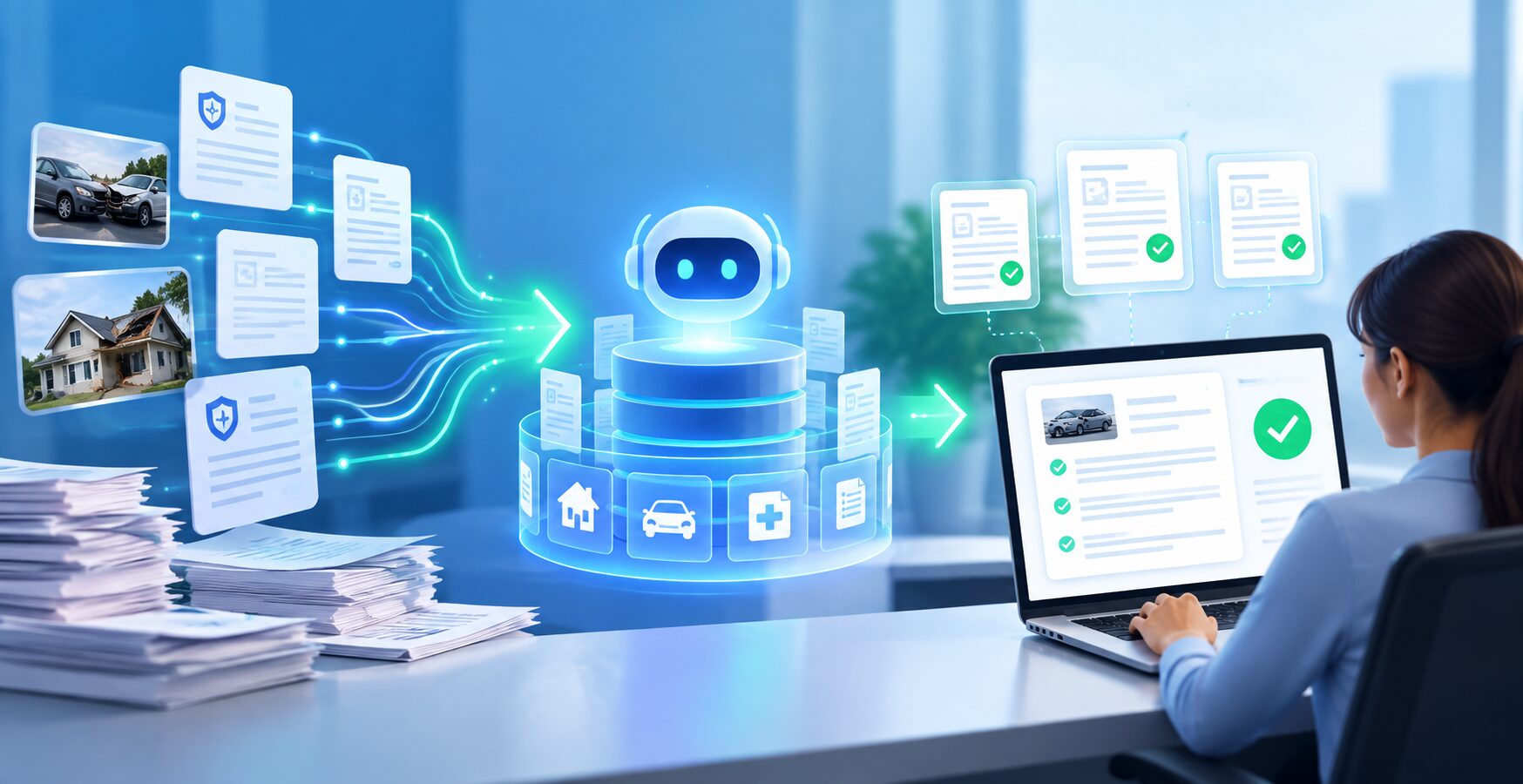
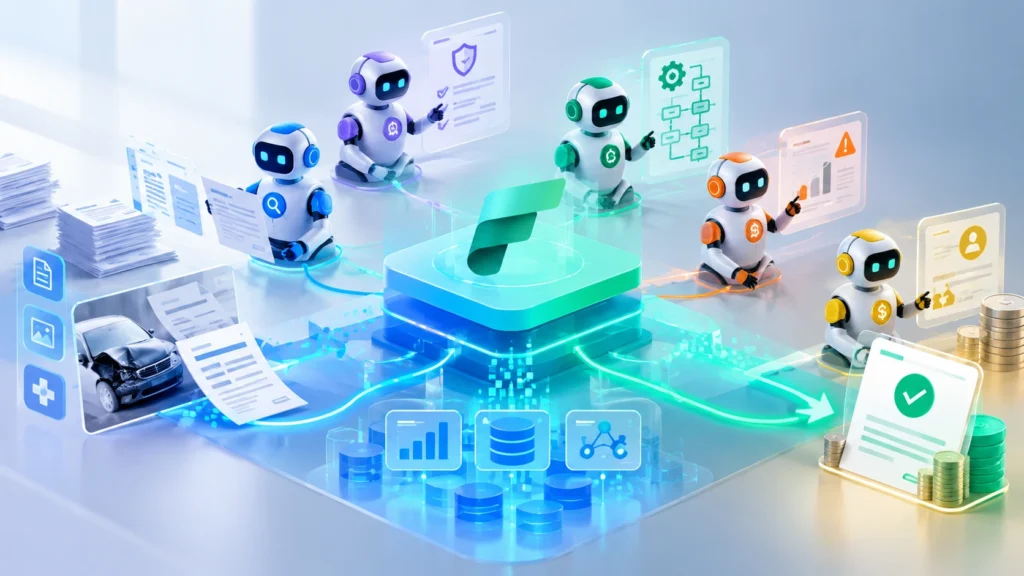
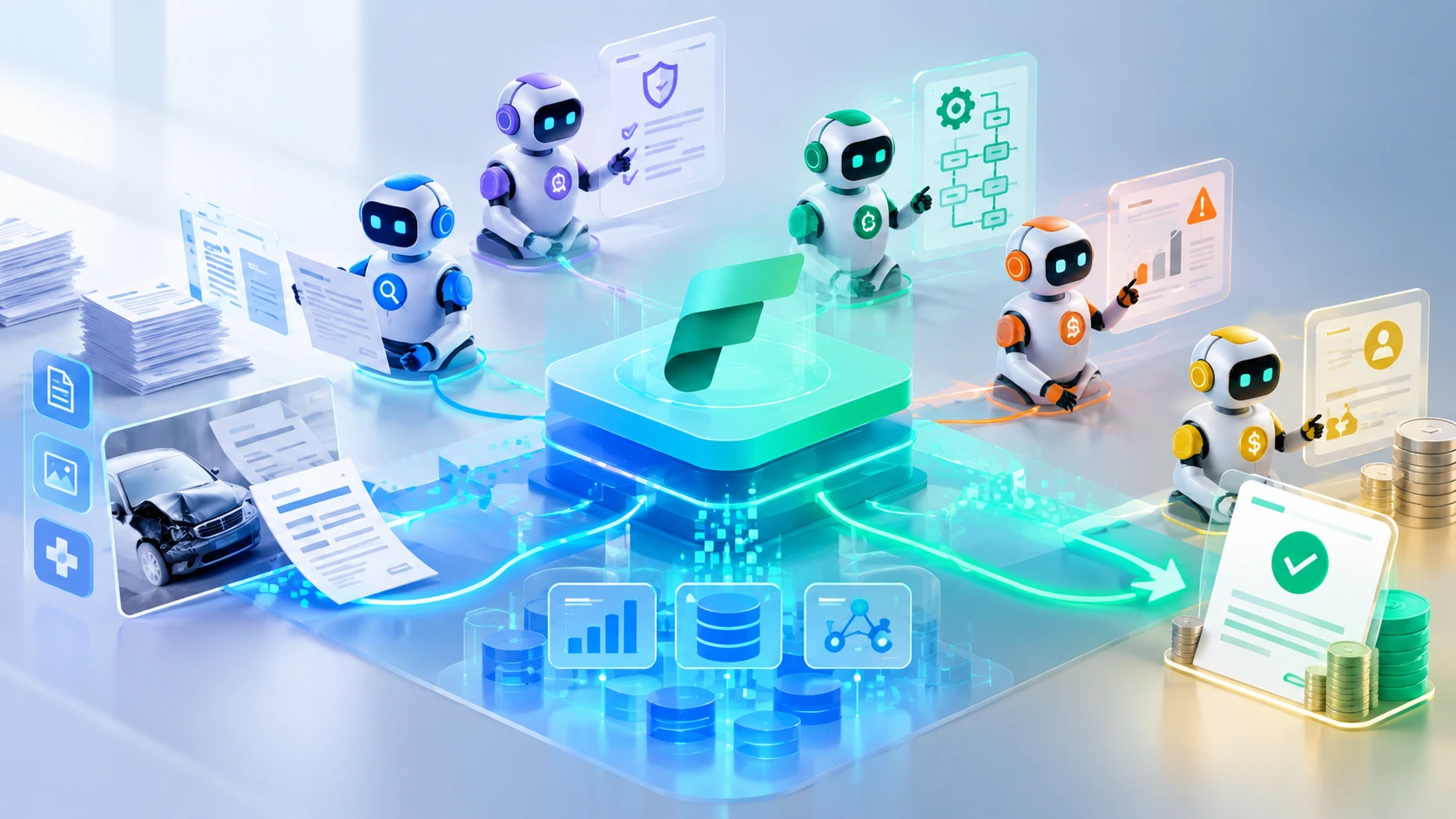
Multi-agent AI system for automated insurance claims adjudication with Microsoft Fabric

Building a Multi-Agent Claims Adjudication System with Microsoft Fabric

A multi-agent claims adjudication system uses specialized AI agents to handle different stages of the claims lifecycle—such as document intake,

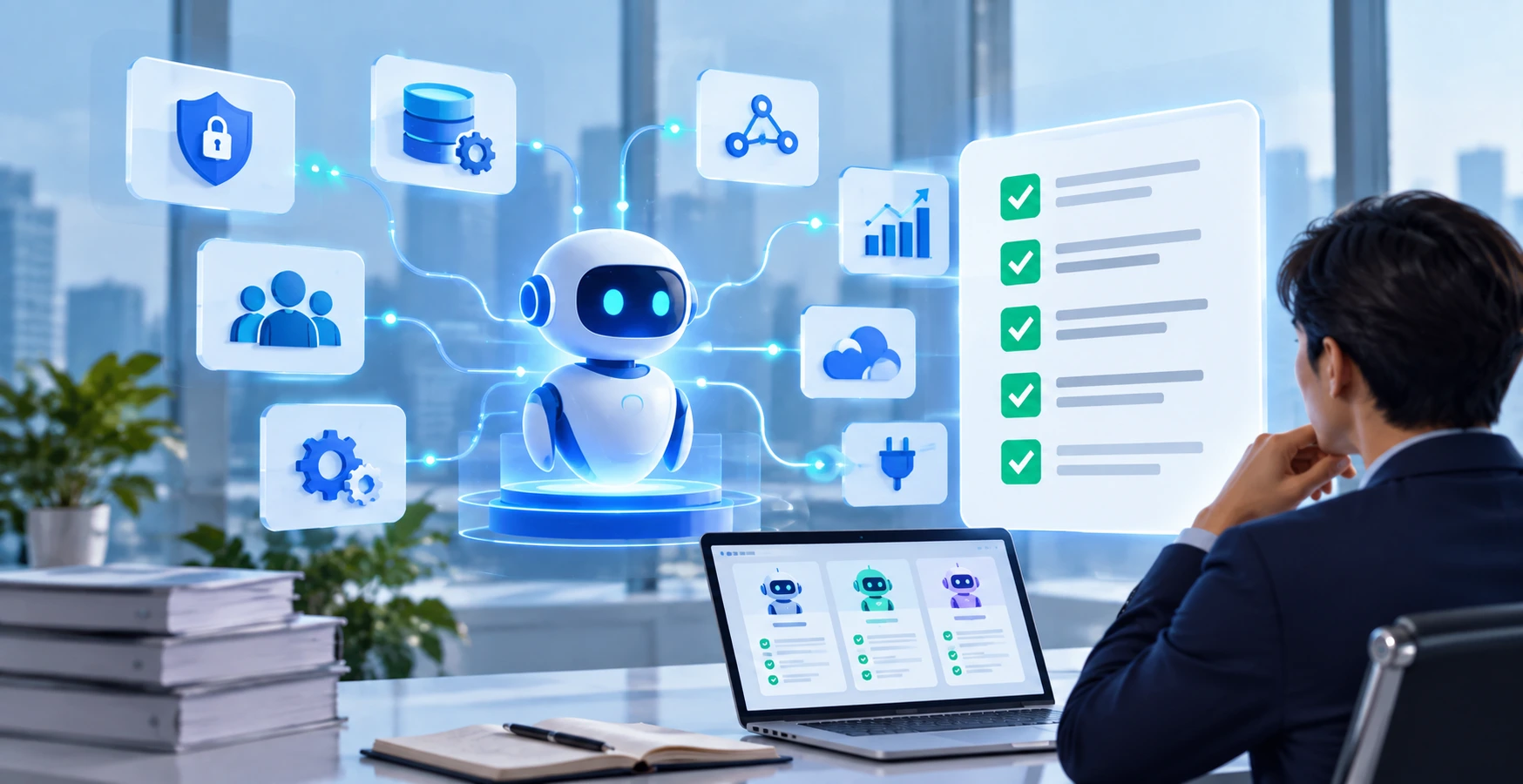
Enterprise AI agent platform evaluation checklist covering security, integrations, data, governance, scalability and observability

How to Evaluate an AI Agent Platform: Enterprise Checklist

An enterprise AI agent platform should be evaluated on more than model quality or demo performance. Buyers should assess how

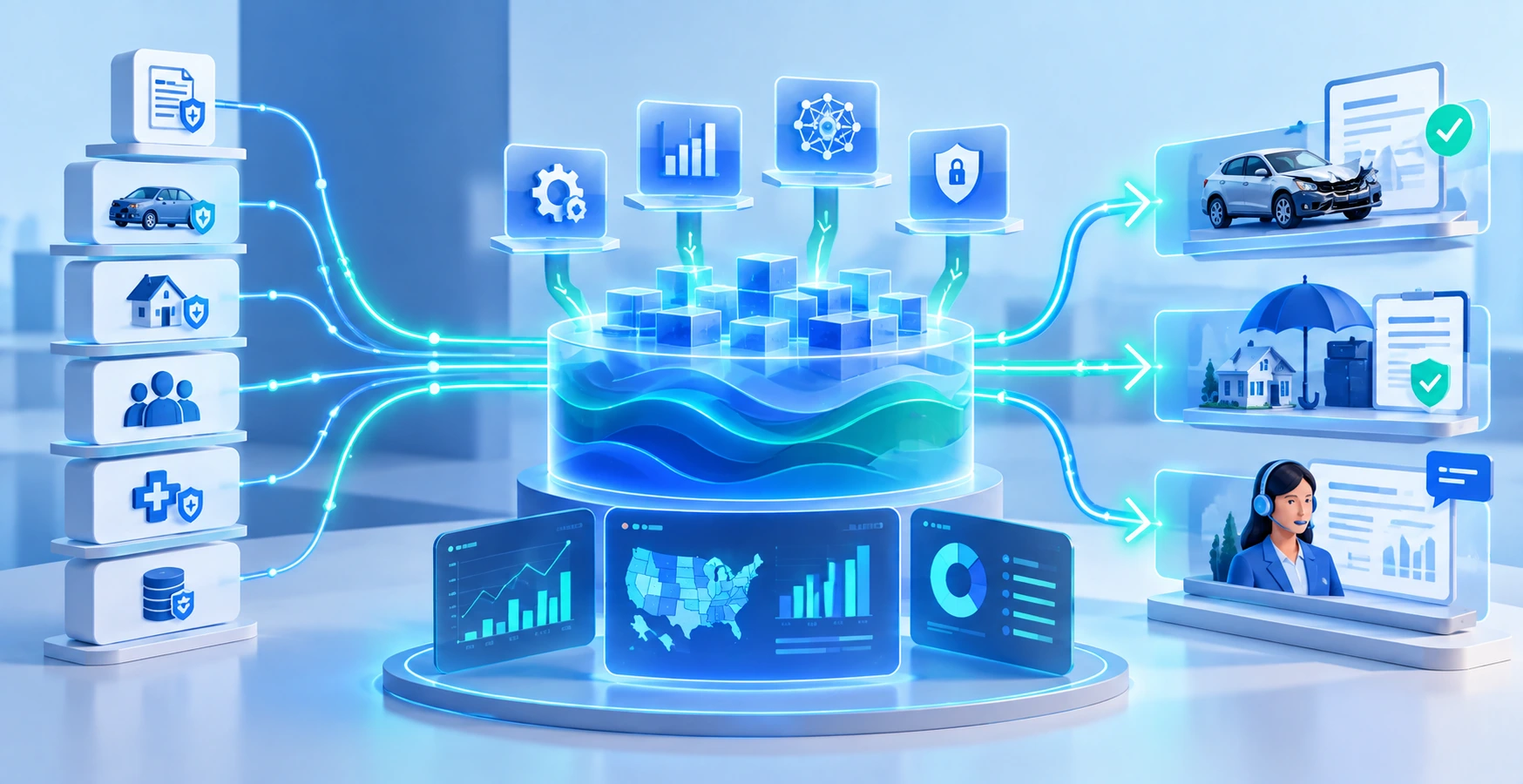
Microsoft Fabric reference architecture for insurance data, analytics, AI, claims, underwriting, and customer service

Microsoft Fabric for Insurance Carriers: A Reference Architecture

Microsoft Fabric for insurance carriers provides a unified data and analytics foundation for bringing together policy, claims, billing, customer, underwriting,

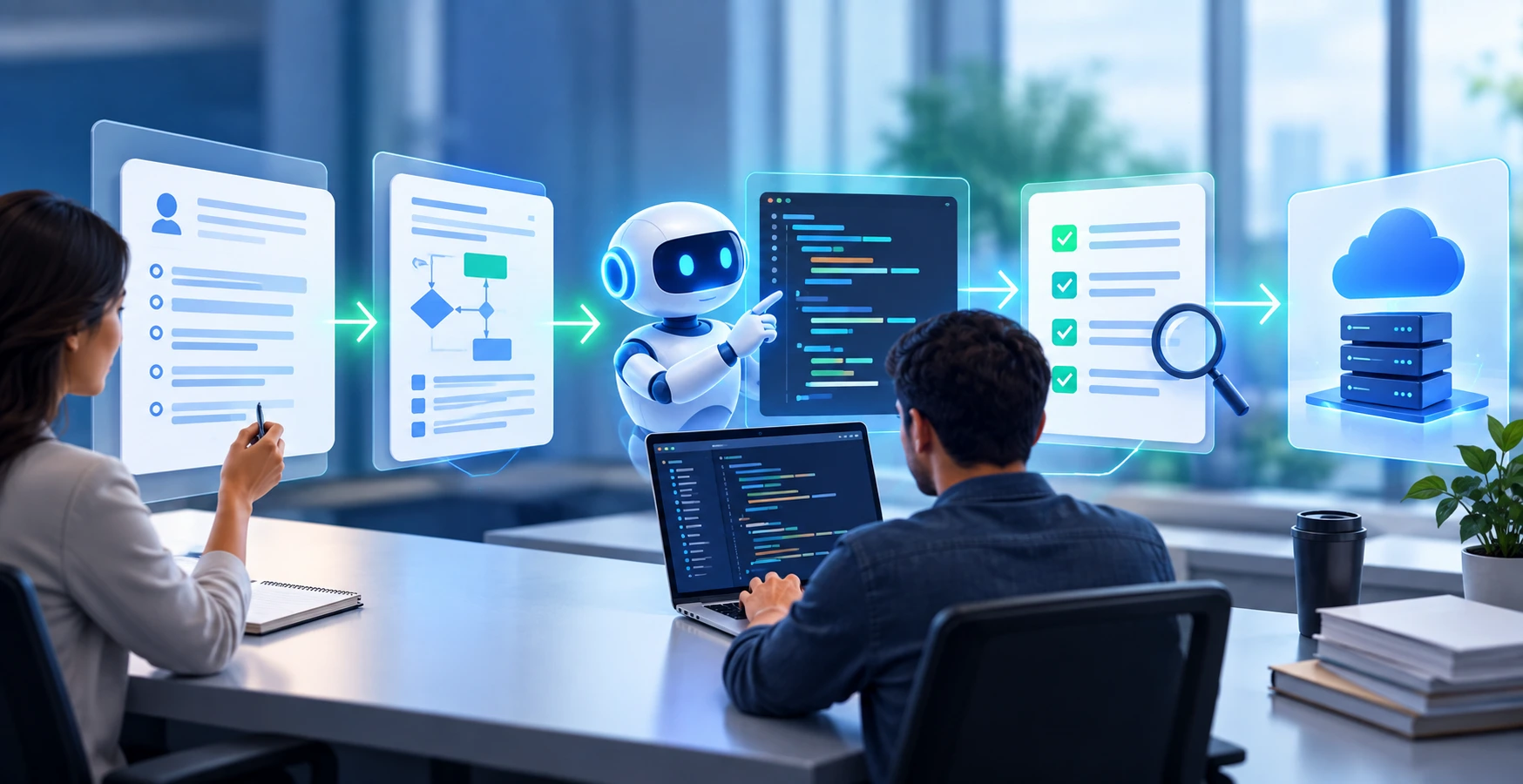
Spec-Driven Development workflow from software requirements to AI-assisted coding, testing, and deployment

Understanding Spec-Driven Development: A Practical Guide

Spec-Driven Development (SDD) is a software engineering approach where structured specifications define requirements, behavior, constraints, and acceptance criteria before implementation.

RAG for insurance claims processing using AI-powered document retrieval and knowledge systems

RAG for Insurance: How Retrieval-Augmented AI Speeds Up Claims Processing

RAG for insurance combines retrieval-augmented generation with insurance policy documents, claims files, guidelines, correspondence, and enterprise data so AI can

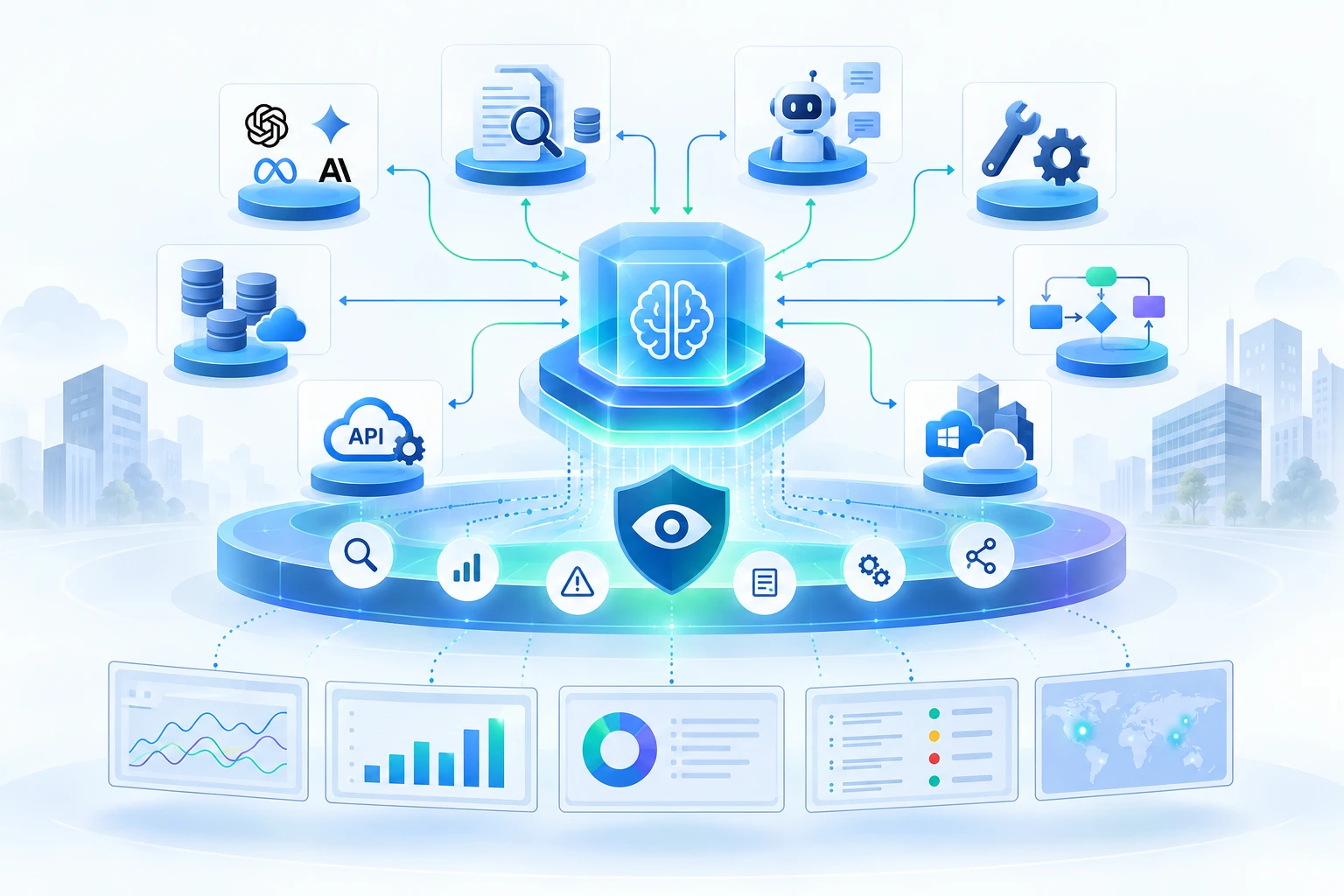
AI-native enterprise application architecture with interconnected data, cloud, automation, security, analytics, and AI components

7 Architectural Patterns for AI-Native Enterprise Applications

Executive Summary AI-native applications are not traditional enterprise applications with an LLM added to the interface. They are systems designed

AI Agent Failure Modes in Production

11 AI Agent Failure Modes Enterprises Need to Design Against

AI agent failure modes are recurring ways autonomous AI systems can produce incorrect, unsafe, unauthorized, incomplete, or costly outcomes. The

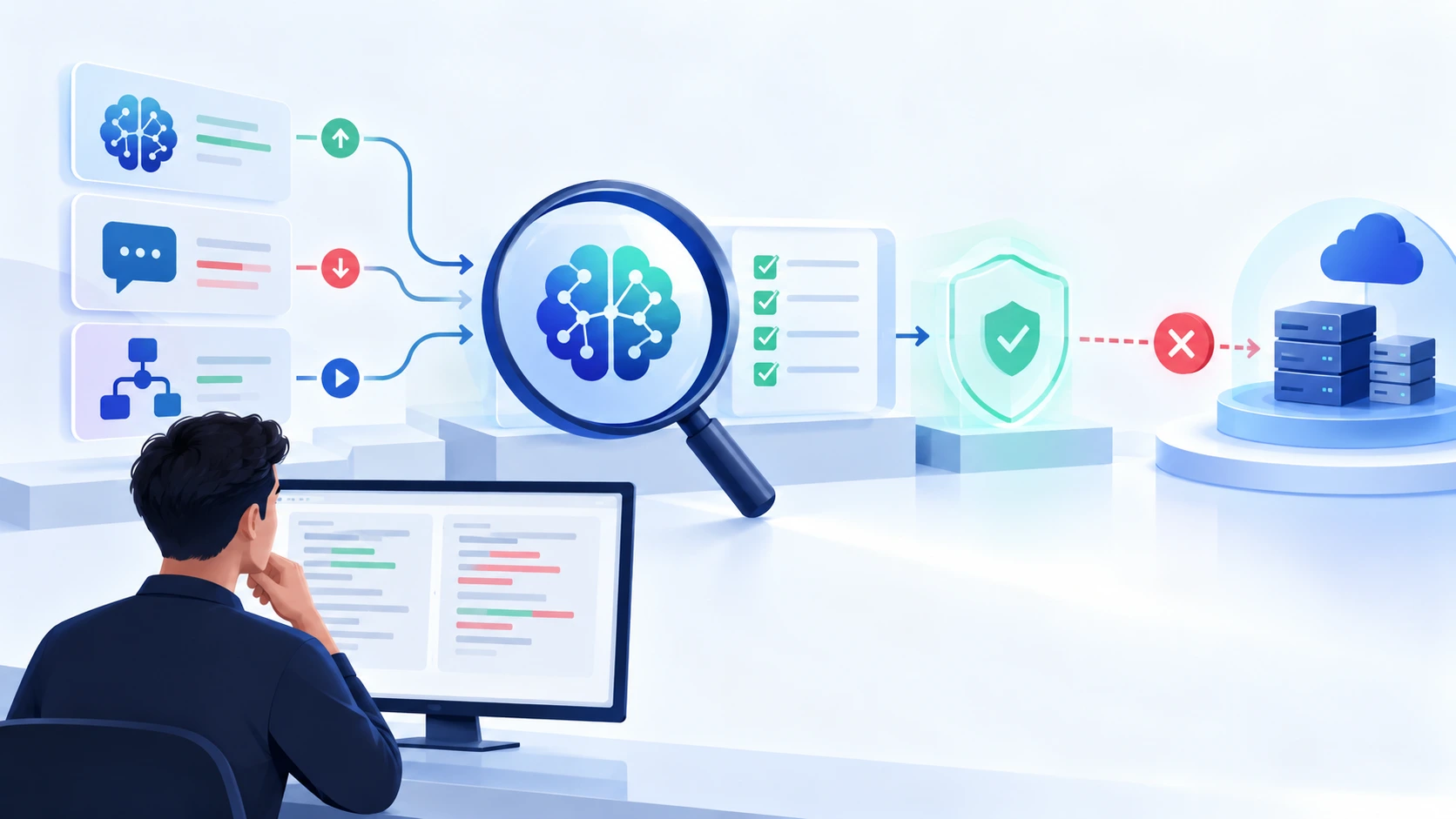
AI observability architecture monitoring models, prompts, agents, workflows, APIs, and enterprise data systems

Observability for AI Applications: Monitoring Models, Prompts, Agents & AI Workflows in Production

Executive Summary AI observability is the practice of monitoring the behavior, performance, quality, cost, security, and reliability of AI applications

AI regression testing workflow detecting model, prompt, and workflow changes before production

AI Regression Testing: How to Detect Model, Prompt & Workflow Changes Before Production

AI regression testing is the practice of comparing an AI application’s behavior against a known-good baseline after model, prompt, retrieval,

Enterprise AI context layer connecting business data sources, applications, users, and AI systems through a centralized intelligent data architecture.

How to Build an Enterprise Context Layer for AI: Architecture, Steps & Best Practices

Executive Summary An enterprise context layer gives AI systems the business knowledge, data relationships, policies, operational rules, and real-time information
Multi-agent AI system for automated insurance claims adjudication with Microsoft Fabric

Hello popup window