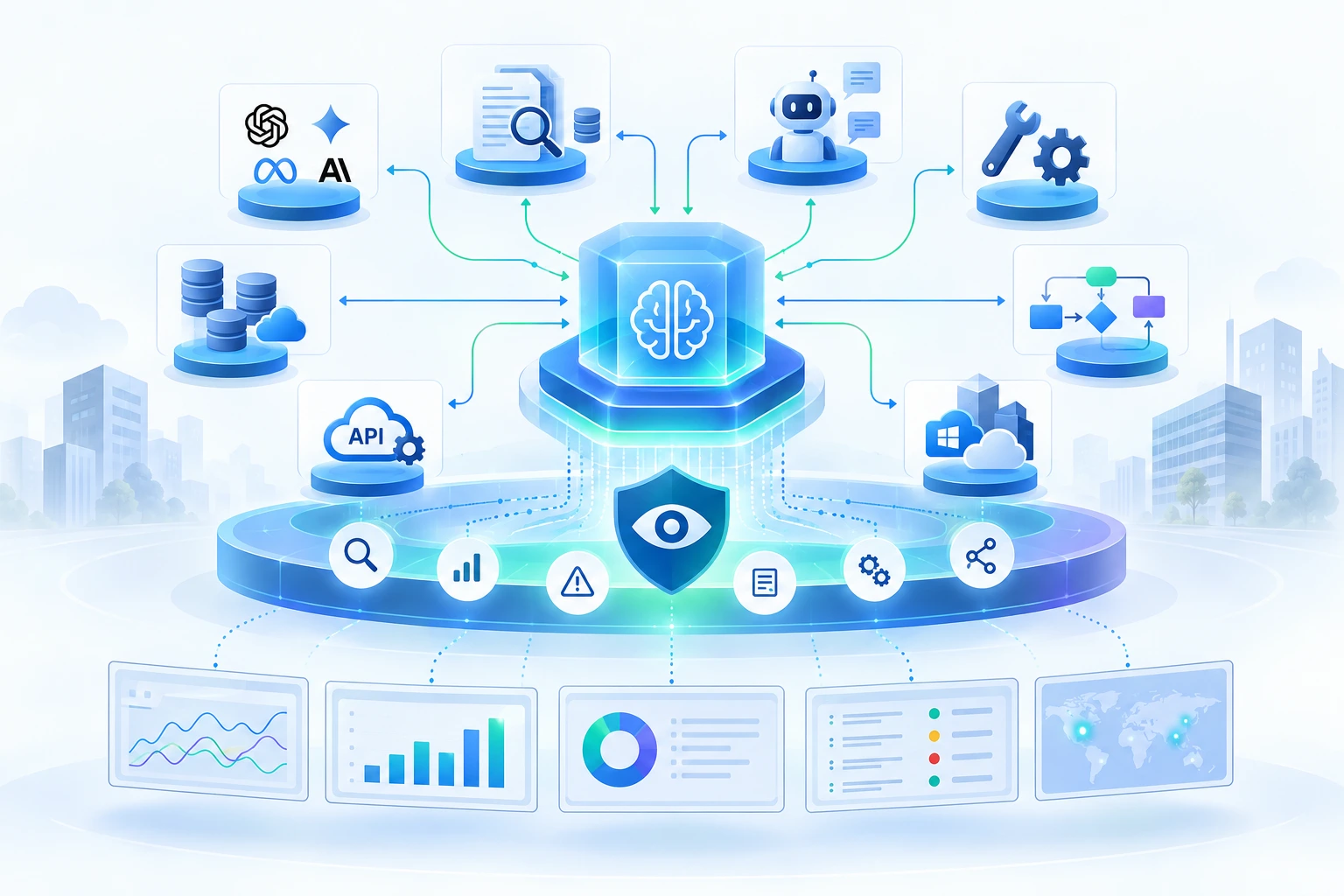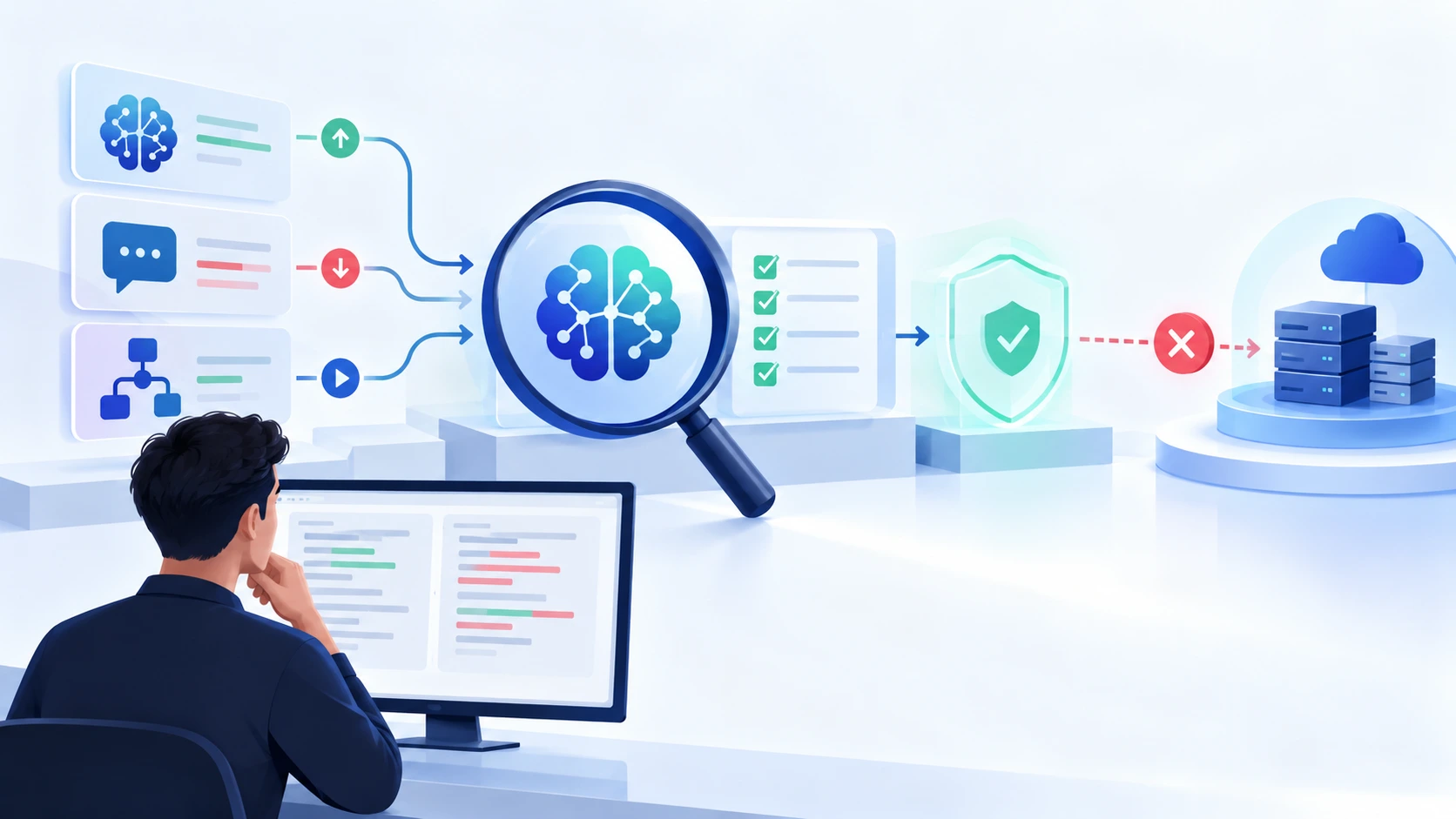
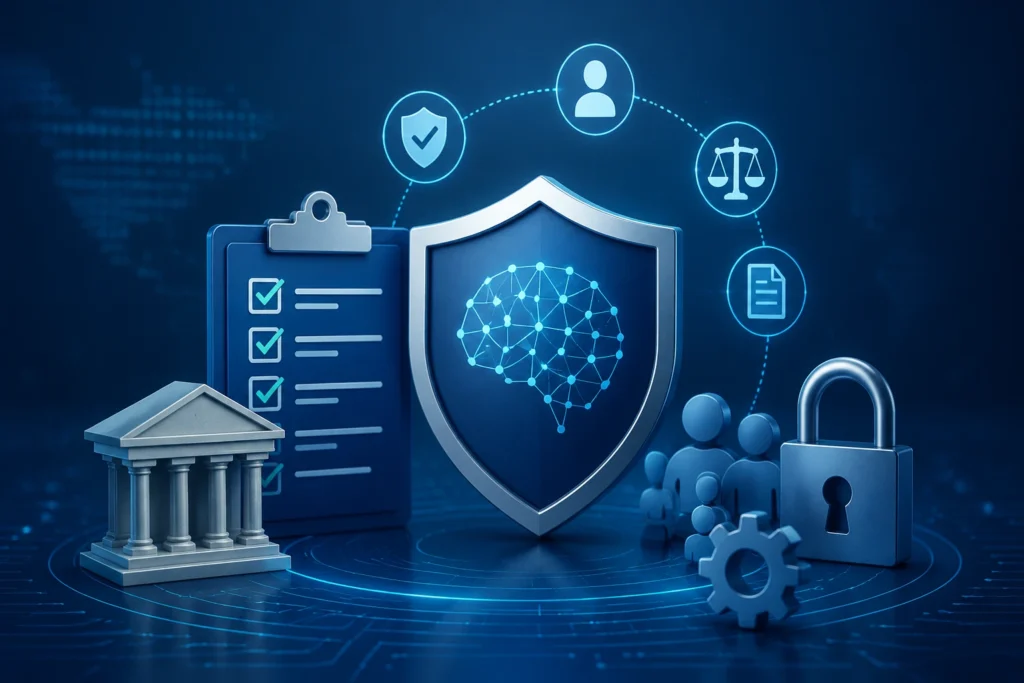
Data governance for data quality is the framework of policies, standards, ownership, and processes that ensures enterprise data remains accurate, consistent, secure, and fit for business use. It improves trust in data, supports regulatory compliance, enables better business decisions, and provides the reliable foundation required for analytics and AI initiatives.
Executive Summary
Data is one of an enterprise’s most valuable assets—but only if it is accurate, consistent, secure, and trusted. As organizations expand their cloud ecosystems and adopt AI-driven decision-making, maintaining high-quality data has become a business imperative rather than a technical challenge.
Enterprises today are swimming in data, but very few are swimming in the right direction. According to Gartner, poor data quality costs organizations an average of $12.9 million annually in operational inefficiencies, compliance failures, and poor decision-making Meanwhile, McKinsey reports that only 27% of companies consider their data “highly reliable” enough to support AI-driven outcomes.
The gap between volume of data produced and value of data consumed is widening — not because enterprises lack technology, but because they lack governance discipline.
Data governance provides the framework that enables this trust. By defining policies, ownership, standards, and accountability, governance ensures data remains reliable throughout its lifecycle. The result is better analytics, regulatory compliance, operational efficiency, and AI-ready data that supports confident business decisions.
This guide explains how data governance improves data quality, the governance capabilities every enterprise should implement, and the best practices for building a scalable, future-ready data ecosystem.\
Read expert insights shared in our blog on Enterprise AI Governance Framework: Complete 2026 Guide for Responsible AI. R
TL;DR
- Data governance establishes the policies, ownership, and standards that improve enterprise data quality.
- High-quality data enables better analytics, AI, regulatory compliance, and business decisions.
- Governance and data quality work together—governance defines the framework, while quality measures the outcome.
- Metadata management, data stewardship, lineage, and Master Data Management (MDM) are critical governance capabilities.
- Organizations that embed governance into everyday data operations reduce errors, improve trust, and accelerate digital transformation.
To understand how foundational data integrity supports enterprise growth, explore Data Integrity: The Backbone of Business Success
What Is Data Governance for Data Quality?
Data governance for data quality is the practice of defining policies, standards, ownership, and processes that ensure enterprise data remains accurate, consistent, complete, secure, and fit for business use.
While data quality focuses on measuring the condition of data, governance provides the structure that makes high-quality data sustainable. Together, they create trusted data that supports reporting, analytics, regulatory compliance, and AI initiatives.
A mature governance program typically includes:
- Data policies and standards
- Defined ownership and stewardship
- Metadata and data catalog management
- Data lineage and traceability
- Access controls and security policies
- Continuous monitoring and quality measurement
Rather than being viewed solely as a compliance initiative, modern organizations treat governance as a strategic capability that enables trusted decision-making across the enterprise.udit obligation, organizations unlock better outcomes across operations, products, and digital transformation initiatives.
To build a strategic roadmap for enterprise-wide data capabilities, explore Data Management for Enterprises: Roadmap
Watch our webinar on Empowering Small and Medium Enterprises: Mastering Data Strategies for Success
Data Governance vs. Data Quality
Although closely related, data governance and data quality serve different purposes.
| Data Governance | Data Quality |
|---|---|
| Defines policies, standards, and accountability | Measures whether data is fit for use |
| Focuses on processes and governance frameworks | Focuses on accuracy, completeness, consistency, validity, and timeliness |
| Establishes ownership and responsibilities | Identifies and resolves data defects |
| Creates long-term control | Delivers measurable quality outcomes |
Think of governance as the operating model and data quality as the measurable result of that model.
Without governance, quality improvements become inconsistent and difficult to sustain.
Why Data Governance Is Essential for Data Quality
Data governance is important because it ensures enterprise data is accurate, consistent, secure, and trustworthy. Strong governance improves business decision-making, supports regulatory compliance, enhances analytics, reduces operational risks, and provides the reliable data foundation required for AI and digital transformation.
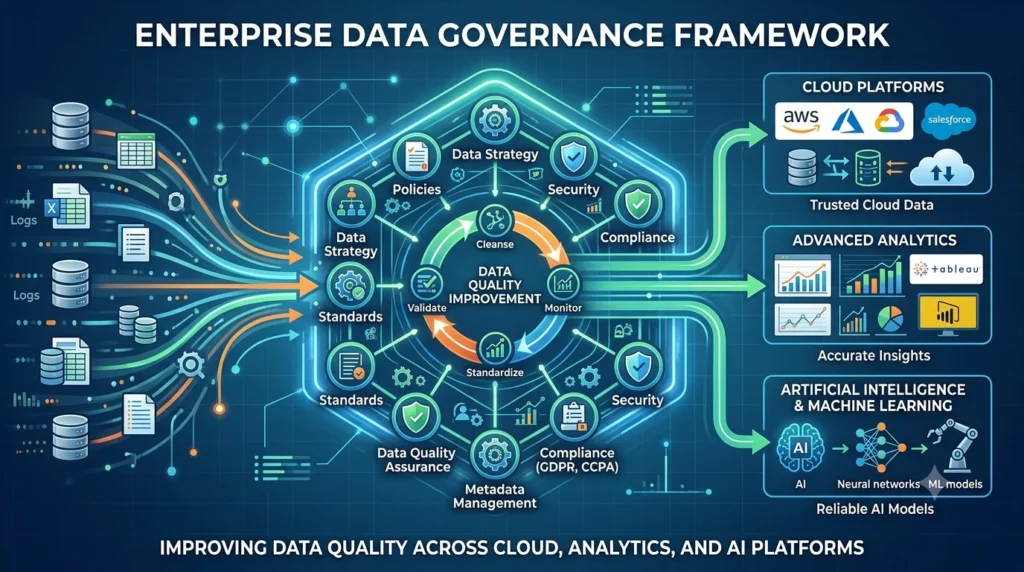
Enterprise data flows through multiple applications, cloud platforms, operational systems, and analytics environments. Without consistent governance, organizations often experience duplicate records, inconsistent definitions, incomplete information, and conflicting reports.
An effective governance framework addresses these challenges by ensuring that:
Data ownership is clearly defined
Assigning business owners and data stewards establishes accountability for maintaining data quality across domains.
Standards are consistently applied
Common naming conventions, validation rules, and business definitions eliminate inconsistencies between systems.
Data lineage is visible
Understanding where data originates, how it changes, and where it is consumed improves trust and simplifies issue resolution.
Policies are enforced
Governance ensures that quality standards are applied consistently rather than relying on manual processes.
Core Components of Governance That Improve Data Quality
Data governance improves data quality by defining data ownership, enforcing standards, managing metadata, tracking data lineage, and continuously monitoring data quality. These practices reduce errors, eliminate inconsistencies, improve trust in enterprise data, and support better analytics, regulatory compliance, and AI initiatives.
1. Data Policies
Policies define how enterprise data should be collected, stored, accessed, retained, and protected.
Strong policies reduce ambiguity while ensuring regulatory and business requirements are consistently applied.
2. Data Stewardship
Data stewards act as custodians for business-critical data.
Their responsibilities include:
- Monitoring quality
- Resolving issues
- Maintaining business definitions
- Enforcing governance standards
- Coordinating with business and technical teams
Effective stewardship ensures governance becomes part of daily operations rather than a one-time initiative
3. Metadata Management
Metadata provides context about enterprise data, including definitions, ownership, classifications, and relationships.
Well-managed metadata improves:
- Data discoverability
- Standardization
- Impact analysis
- Quality monitoring
- Governance reporting
4. Data Lineage
Lineage tracks how data moves across systems, transformations, and business processes.
This enables organizations to:
- Identify the source of quality issues
- Improve audit readiness
- Support regulatory reporting
- Increase confidence in analytics and AI outputs
5. Master Data Management (MDM)
Master Data Management creates a trusted source of core business entities such as customers, suppliers, products, and locations.
When integrated with governance, MDM helps:
- Eliminate duplicate records
- Standardize master data
- Improve consistency across applications
- Increase trust in enterprise reporting
Enterprise Data Governance Framework
Business Benefits of Governance-Led Data Quality
Organizations that integrate governance into their data strategy gain measurable business advantages.
Better Business Decisions
Reliable data improves reporting accuracy, enabling leaders to make faster and more confident decisions.
Higher Operational Efficiency
Reducing duplicate, incomplete, and inconsistent records minimizes manual data cleansing and reconciliation efforts.
AI-Ready Data
AI models rely on trusted, well-governed data. Governance improves consistency, lineage, and traceability, reducing the risk of inaccurate or biased outputs.
Stronger Compliance
Governance supports regulatory requirements by improving data accuracy, security, retention, and auditability across enterprise systems.
Greater Data Trust
When users know data is governed and validated, adoption of analytics and self-service BI increases across the organization.
Best Practices for Strengthening Data Quality Through Governance
Successful data governance goes beyond documenting policies—it embeds quality controls into everyday business and technical processes. Organizations that consistently maintain high-quality data typically follow these best practices.
Establish Clear Data Ownership
Assign accountable business owners and data stewards for critical data domains. Clearly defined ownership ensures data issues are identified, prioritized, and resolved quickly while maintaining accountability across the organization.
Standardize Data Across Systems
Develop common business definitions, naming conventions, validation rules, and data models. Standardization reduces inconsistencies between applications and creates a common language for analytics and reporting.
Monitor Data Quality Continuously
Data quality is not a one-time initiative. Organizations should continuously measure key indicators such as:
- Accuracy
- Completeness
- Consistency
- Timeliness
- Validity
- Uniqueness
Automated monitoring enables teams to detect quality issues before they affect downstream business processes.
Integrate Governance Into Data Operations
Governance should be embedded into data integration, cloud migration, analytics, and AI workflows rather than operating as a standalone compliance function. This ensures quality controls become part of everyday operations.
Read more details in our blog on AI Governance Checklist: The Complete Enterprise Guide Before You Scale AI.
Common Challenges in Data Governance
Even well-planned governance initiatives can struggle without organizational alignment. Common challenges include:
Unclear Ownership
Without clearly assigned responsibilities, data issues often remain unresolved, leading to inconsistent reporting and reduced trust.
Siloed Data
Departments maintaining independent data definitions create conflicting metrics and duplicate records, making enterprise-wide reporting difficult.
Manual Quality Processes
Manual validation and cleansing are difficult to scale as organizations grow. Automated quality checks and governance workflows improve consistency while reducing operational effort.
Treating Governance as Compliance Alone
Organizations that focus only on regulatory requirements often miss the broader business value of governance. Effective governance improves operational efficiency, analytics, customer experience, and AI readiness—not just compliance.
Governance and AI: Why Trusted Data Matters More Than Ever
Artificial intelligence is only as effective as the data that powers it.
Large language models, predictive analytics, and machine learning depend on data that is accurate, complete, and traceable. Poor-quality data can introduce bias, reduce model accuracy, and undermine business confidence in AI outcomes.
Data governance helps prepare organizations for AI by enabling:
- Trusted data sources
- Consistent business definitions
- End-to-end lineage
- Controlled data access
- Transparent metadata
- Reliable training datasets
As AI adoption accelerates, governance is becoming a foundational capability for building responsible, scalable AI solutions.
Building a Modern Governance Framework
A successful governance framework balances people, processes, and technology.
An effective framework typically includes:
| Governance Element | Business Value |
|---|---|
| Data Policies | Consistent management of enterprise data |
| Data Stewardship | Accountability for data quality |
| Metadata Management | Improved discoverability and context |
| Data Lineage | Greater transparency and traceability |
| Master Data Management | Consistent enterprise-wide master data |
| Data Quality Monitoring | Continuous improvement and trust |
| Security & Access Controls | Protected, compliant, and reliable data |
Rather than implementing governance as a standalone initiative, organizations should integrate these capabilities into broader digital transformation, cloud modernization, and data management strategies.
Common Mistakes to Avoid
Many governance programs fail because they focus on technology before strategy. Avoid these common pitfalls:
- Treating governance as an IT-only initiative
- Implementing tools without defining ownership
- Failing to establish enterprise-wide standards
- Measuring compliance instead of business outcomes
- Neglecting continuous monitoring and improvement
Successful governance programs combine executive sponsorship, business participation, and technology enablement to create sustainable data quality improvements.
Future Trends in Data Governance
As enterprise data environments continue to evolve, governance is becoming more intelligent, automated, and integrated into modern data platforms.
Key trends include:
- AI-assisted data quality monitoring
- Automated metadata discovery
- Real-time data observability
- Governance for hybrid and multi-cloud environments
- Expanded use of data catalogs and lineage tools
- Greater focus on trusted data for generative AI
Organizations that adopt these capabilities will be better positioned to scale analytics, improve operational resilience, and support future AI initiatives.
Read our blog on Human-in-the-Loop Agentic AI: Why Autonomous Doesn’t Mean Uncontrolled.
Conclusion
Data governance and data quality are not competing initiatives—they are complementary disciplines that together enable trusted enterprise data.
Governance establishes the policies, ownership, standards, and accountability needed to maintain reliable information, while data quality measures how effectively those practices deliver accurate and usable data.
As organizations continue investing in cloud, analytics, and AI, governance will play an increasingly strategic role in ensuring data remains a reliable business asset rather than a source of operational risk.
By embedding governance into everyday data management practices, enterprises can improve decision-making, strengthen compliance, enhance customer experiences, and build the trusted data foundation required for long-term digital transformation.
Frequently Asked Questions
1. What is data governance?
Data governance is the framework of policies, ownership models, standards, and controls that ensure enterprise data remains accurate, secure, and usable. It drives consistency and trust across systems and teams.
2. How does data governance improve data quality?
Governance improves quality by enforcing lineage, ownership, metadata consistency, rules-based validation, and automated monitoring — all of which reduce errors, duplication, and inconsistencies.
3. What is the difference between data governance and data quality?
Data governance defines how data should be managed, while data quality measures whether data meets business requirements for accuracy, consistency, completeness, validity, and timeliness.
4. Why is data stewardship important?
Data stewards help maintain data quality by managing business definitions, resolving quality issues, enforcing governance standards, and ensuring accountability for critical data assets.
5. Why is governance important for AI?
AI systems rely on trusted, high-quality data. Governance provides the controls, lineage, metadata, and consistency needed to improve the reliability and transparency of AI-driven insights.
Related Reads
- AI Governance Checklist: The Complete Enterprise Guide Before You Scale AI.
- Human-in-the-Loop Agentic AI: Why Autonomous Doesn’t Mean Uncontrolled.
- How to Build Enterprise AI Copilots: A Complete Guide for Business Leaders (2026)
- AI Agent Evaluation Frameworks Compared: Choosing the Right Platform for Enterprise AI in 2026
- Agentic vs copilot AI
- How to Build AI-Native Applications for Enterprise Scale
- Product Engineering Strategy: 9 Proven Strategies for Building AI-Native Products in 2026